
Madison Ortho Knowledge Center
Orthopedic Surgical Insights & Innovations
Exploring clinical developments, advanced implant technologies, trauma fixation solutions, and news from the global orthopedic community.
Blog
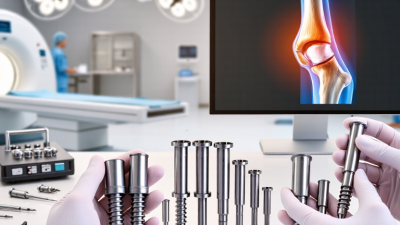
10 Tips for Choosing Ankle Arthrodesis Nail Systems
Choosing the right Ankle Arthrodesis Nail Systems is a clinical decision, not a catalogue exercise. The implant must match patient anatomy, bone quality, deformity, and surgical goals. A stable construct can support fusion, alignment, and controlled weight bearing when selected carefully.
This guide examines ten practical factors that experienced surgeons and purchasing teams should assess. These include nail diameter, length, locking options, compression capability, material, instrumentation, and imaging visibility. The entry point matters too. A few millimeters of error can affect alignment, soft tissue tension, or joint preparation. That detail is easy to underestimate.
Patient-specific planning remains essential. Computed tomography may clarify bone loss, previous hardware, or complex deformity. Operative experience also reveals issues that brochures rarely mention, such as difficult targeting, limited screw access, or awkward instrument handling. The best system on paper may feel less efficient in a demanding case. That is worth questioning.
Clinical evidence, manufacturer quality controls, sterilization compatibility, and regulatory status should guide final selection. Surgeons should review peer-reviewed data and follow local requirements. No implant eliminates biological risk. Fusion can be delayed, and complications may occur despite careful technique. Honest evaluation improves decision-making.
This article offers a practical framework for comparing systems without treating one feature as universally superior. It also highlights common selection mistakes and areas requiring professional judgment. Some recommendations may change as evidence develops. That is the point. Better choices begin with careful questions.
Read more »
 By:Emma
- October 15, 2026
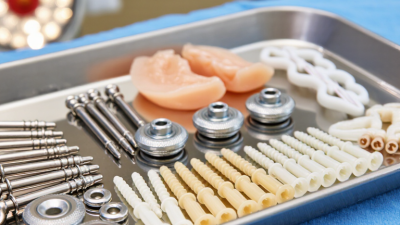
Top 10 Arthroscopy Sports Medicine Implants for Global Buyers
Arthroscopy Sports Medicine Implants are becoming essential tools in minimally invasive orthopedic care. They support ligament reconstruction, meniscal repair, cartilage treatment, and shoulder stabilization. The World Health Organization estimates that approximately 1.71 billion people live with musculoskeletal conditions worldwide. That burden continues to increase demand for reliable surgical solutions.
Market definitions vary. This matters. Grand View Research reports sustained growth in the global arthroscopy instruments market, driven by sports injuries, aging populations, and less invasive procedures. Fortune Business Insights also identifies sports medicine as a growing healthcare segment, supported by improved implant materials and rising outpatient surgery. However, these reports often group implants, instruments, and related services differently. Direct comparisons can therefore mislead global buyers.
This Top 10 selection focuses on practical implant categories, including suture anchors, interference screws, fixation buttons, and meniscal repair systems. Each product should be assessed through clinical indication, material behavior, fixation strength, imaging compatibility, and sterilization requirements. Regulatory clearance is equally important. Buyers should verify documentation from recognized authorities, such as the U.S. FDA, European notified bodies, or applicable national regulators.
Small details matter.
A titanium button may offer strong cortical fixation, while a bioabsorbable screw may reduce long-term metal-related concerns. Neither option suits every patient or surgical technique. Surgeon training, distributor support, traceability, and post-market surveillance also influence real-world value. The ranking is not universal. It is a structured starting point, and purchasing teams should review current evidence, local regulations, and hospital protocols before making final decisions.
Read more »
 By:Ava
- October 10, 2026
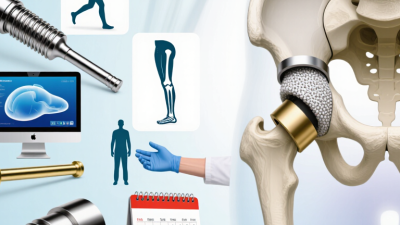
How to Choose Joint Replacement Prostheses in 2026?
Choosing Joint Replacement Prostheses in 2026 requires more than comparing brands, prices, or digital advertisements. The right implant depends on anatomy, activity level, bone quality, age, medical history, and the surgeon’s experience. A ceramic hip may suit one patient, while a different bearing surface may better support another person’s daily demands. Fit matters. So does evidence.
Modern prostheses may include advanced ceramics, highly cross-linked polyethylene, porous metal coatings, and computer-assisted planning. These developments can improve precision and implant stability, but newer technology is not automatically better. Long-term clinical data may still be limited. Hospital protocols, surgical technique, rehabilitation access, and follow-up care also affect outcomes. A strong decision uses peer-reviewed research, regulatory information, and transparent discussions with qualified orthopedic specialists.
Patients should ask practical questions before surgery. How long has this implant been studied? What are its revision rates? Does the surgeon use it regularly? What happens if pain, loosening, infection, or stiffness develops? These questions can feel uncomfortable, yet they reveal important gaps in a treatment plan. No prosthesis lasts forever. Even excellent implants can fail under complex conditions.
This guide examines material choices, implant design, fixation methods, patient-specific planning, costs, and expected recovery in 2026. It also considers uncertainty, because medical decisions rarely offer perfect guarantees. Manufacturer claims deserve careful review. Personal goals deserve equal attention. A reliable choice balances proven performance with appropriate innovation, supported by informed consent and continuing clinical oversight.
Read more »
 By:Olivia
- October 5, 2026
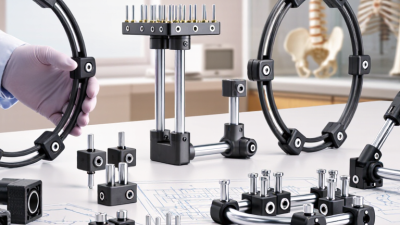
China Top 10 External Fixator Systems Suppliers?
Choosing among China’s leading External Fixator Systems suppliers takes more than comparing product photos or catalog prices. These systems support fracture stabilization, limb reconstruction, and complex orthopedic procedures. Their design details matter: pin configuration, frame adjustability, material finish, and compatibility with clinical workflows can affect practical use.
Gavriil Ilizarov, the orthopedic surgeon associated with the Ilizarov method, is often credited with saying, “The only limit to the method is the imagination of the surgeon.” Versions of this quotation vary, so readers should treat its wording cautiously. Its central idea still fits: thoughtful design matters, but sound clinical judgment matters more.
This overview examines ten Chinese suppliers through practical questions: What product ranges do they offer? Can they provide clear technical documentation, quality-system evidence, and responsive after-sales support? Do they explain intended use and training needs without relying on vague promises? These checks help buyers build a shortlist, not a definitive ranking. A polished catalog is not proof. Supplier claims should be checked against current records, product specifications, and the requirements of the intended market. Details may differ between models, and public information can be incomplete. That is worth acknowledging. A careful comparison can reveal useful options, but final decisions belong with qualified clinical and procurement teams.
Read more »
By:Emma
- September 30, 2026
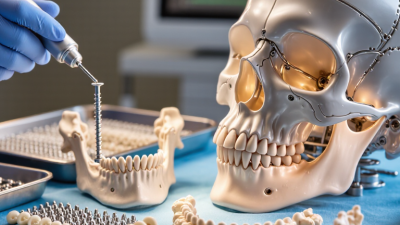
Top 10 Craniomaxillofacial CMF Systems Manufacturers
Craniomaxillofacial CMF Systems support the repair and reconstruction of facial bones, jaws, and the skull. Their components may include plates, screws, meshes, and patient-specific implants. In the operating room, a few millimeters matter. So do contour, screw placement, and the view available to the surgeon.
This Top 10 overview compares manufacturers by practical factors: product range, material options, design flexibility, published clinical evidence, and technical support. It is not a clinical recommendation or a universal ranking. Availability and regulatory status can differ by market, while a system that fits one procedure may not suit another. That distinction is easy to overlook.
Dr. Peter J. Taub is a craniofacial surgeon and academic specialist. His published clinical work reflects the importance of matching reconstruction choices to patient anatomy and surgical goals. This article presents that principle as a paraphrase, not a direct quotation: select fixation and implant options around the case, rather than treating one system as suitable for every patient. A careful comparison should also ask how manufacturers document performance, support training, and address revisions. Product brochures alone cannot answer every question. That is a limitation worth remembering. The strongest overview is useful, but it should not replace independent clinical judgment or current product documentation.
Read more »
By:Emma
- September 25, 2026
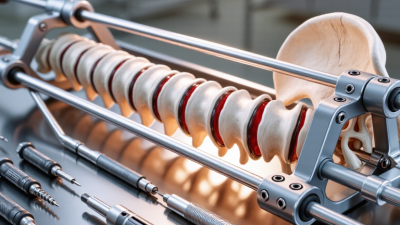
7 Tips for Buying Spinal Fixation Systems
Choosing among Spinal Fixation Systems is not a simple catalog decision. It affects surgical stability, imaging, rehabilitation, and a patient’s long-term comfort.
A useful starting point is the clinical problem. Is the system intended for trauma, deformity correction, degenerative disease, or revision surgery? Each indication demands different anchors, rods, screws, connectors, and biological considerations. Surgeons should also examine bone quality, anatomy, alignment goals, and the patient’s expected activity level.
“Alignment is the key,” says Dr. Frank Schwab, a leading specialist in adult spinal deformity surgery. His principle highlights an important point: hardware should support a carefully defined treatment plan, not replace sound clinical judgment.
The seven tips in this guide focus on practical buying questions. They address implant design, material performance, instrument compatibility, supplier experience, documentation, training, and total cost. A polished product brochure is not enough. Look for peer-reviewed evidence, clear specifications, sterilization information, traceability, and appropriate regulatory clearance in the target market.
Compatibility matters more than it first appears. A screw may fit the rod, yet the instruments may slow a procedure or complicate revision surgery. Small details count, including locking mechanisms, torque control, radiographic visibility, and available sizes.
There is no perfect system. That is worth admitting. Even experienced teams can overlook workflow problems during evaluation. A hands-on trial, structured feedback from surgeons and operating-room staff, and careful review of clinical outcomes can reveal weaknesses before procurement.
The best choice balances patient safety, surgical control, reliable support, and responsible value. It should also remain useful when the operation does not follow the original plan.
Read more »
By:Ava
- September 20, 2026

Top 10 Benefits of Locking Compression Plate System for Buyers?
The Locking Compression Plate System is revolutionizing surgical practices. Surgeons and medical buyers benefit from its advanced design. This innovative system promotes better fixation and enhances healing.
The reliable locking mechanism ensures stability. It reduces the risk of screw loosening, which is crucial in critical surgeries. Many professionals appreciate how this system simplifies complex procedures. Locking Compression Plates are versatile for various fractures, showcasing their adaptability.
Despite these advantages, potential buyers must reflect on their specific needs. Consideration of patient demographics is essential. Not every situation calls for this technology, and some may find traditional methods adequate. An informed choice leads to better outcomes in patient care.
Read more »
By:Emma
- August 28, 2026
Top 5 Intramedullary Nail Systems for Global Buyers?
Intramedullary Nail Systems play a crucial role in orthopedic practices worldwide. They are designed to stabilize fractured bones, facilitating optimal healing. As the demand for these systems grows, buyers must consider various options available in the market.
In the competitive landscape of intramedullary nail systems, selecting the right product is not always straightforward. Factors such as material, length, and design significantly impact performance. Different manufacturers offer unique features, which can confuse buyers seeking the best fit for their needs.
Understanding the nuances of each system is essential. Each design carries specific advantages and disadvantages that may not be immediately apparent. Ultimately, making an informed decision requires expertise and reliable information. It is essential to evaluate both the benefits and potential limitations of each intramedullary nail system before committing to a choice.
Read more »
By:Emma
- August 28, 2026
Top 5 Orthopedic Implants Manufacturing Solutions to Consider?
The orthopedic implants manufacturing industry is witnessing rapid innovation. According to a recent MarketsandMarkets report, the global orthopedic implants market is projected to reach $107.6 billion by 2026, growing at a CAGR of 4.2%. This growth reflects advancements in technology and materials.
Dr. Michael Anderson, a renowned expert in orthopedic surgery, emphasizes, “Effective manufacturing solutions are paramount for success in orthopedic implants.” At the core of this industry is the need for precision and reliability. Each implant must meet stringent regulatory standards while addressing diverse patient needs.
Manufacturers face challenges, such as adapting to new technologies and maintaining quality. As the demand for customized solutions rises, finding the right manufacturing strategy becomes critical. The right approach can improve product outcomes and enhance patient safety in orthopedic implants manufacturing. It's a dynamic field where innovation is essential, yet the journey can be complex and fraught with uncertainties.
Read more »
By:Emma
- August 28, 2026