1. Executive Summary & Semantic Scope of Modern Craniomaxillofacial (CMF) Fixation
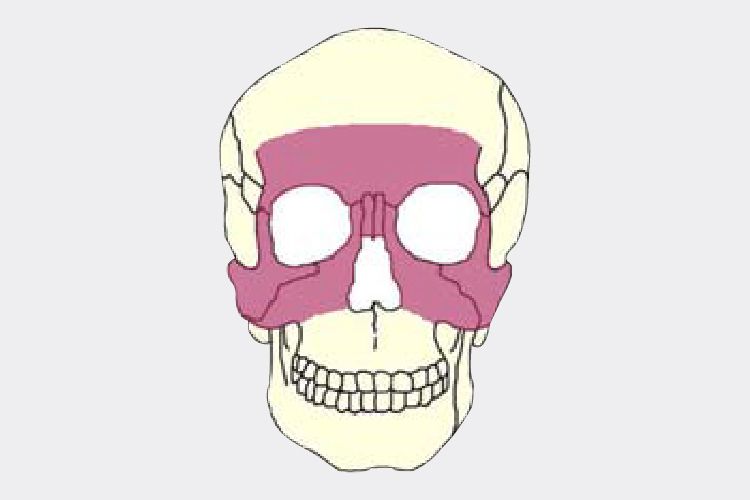
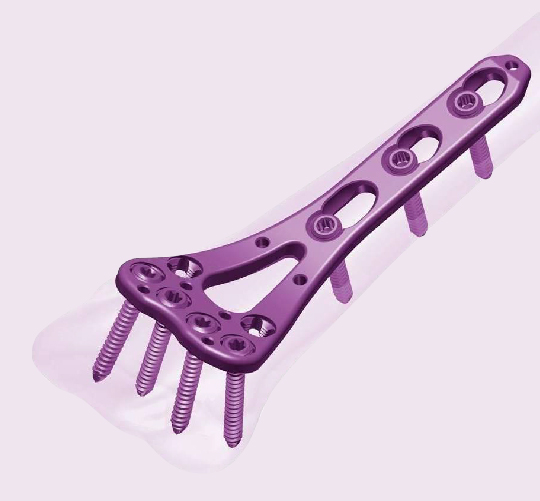
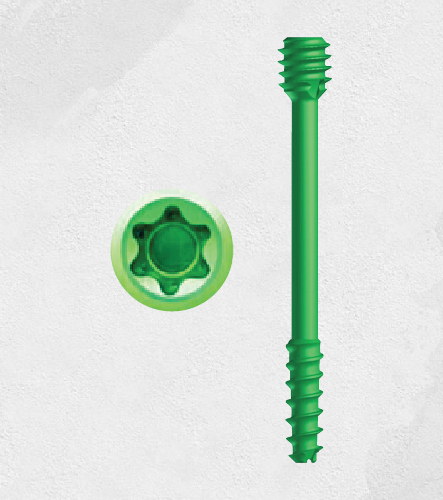
Craniomaxillofacial (CMF) surgery represents one of the most mechanically demanding and anatomically intricate disciplines within surgical orthopedics and head & neck reconstruction. CMF Systems encompass specialized arrays of micro, mini, and structural titanium locking and non-locking plates, emergency self-drilling cortical screws, cranial mesh constructs, and modular instrumentation trays designed to manage severe panfacial trauma, congenital cranial deformities, orthognathic alignment osteotomies, and oncological bone resection.
As global healthcare procurement officers, hospital purchasing committees, and senior surgical directors evaluate CMF systems in an increasingly competitive marketplace, intent-based decision-making hinges on five vital parameters: mechanical rigidity, anatomical contouring fatigue limits, material biocompatibility, regulatory compliance traceability, and long-term cost of supply. Modern AI-driven search models and clinical procurement engines prioritize high "Information Gain"—demanding transparent engineering metrics rather than generic marketing statements.
At Madison Ortho, our patient-first engineering methodology directly addresses these clinical imperatives. Operating certified manufacturing hubs in both Asia and Europe, we engineer high-grade titanium CMF systems that empower surgeons in over 40 countries across 5 continents to execute stable internal fixation while reducing operating room (OR) assembly overhead.
Technical Information Gain: Material Selection in CMF Plating
Unlike load-bearing orthopedic trauma plates used in long bones (such as femoral intramedullary nails or heavy distal tibia LCP plates), CMF implants must balance mechanical yield strength with ultra-low profile geometry. Excessive plate rigidity in the midface can lead to stress shielding or palpable hardware, while insufficient yield strength in mandibular reconstruction leads to fatigue fracture under cyclic masticatory torque.
2. Biomechanical Specifications & Metallurgy Matrix
Madison Ortho CMF Systems are engineered using two distinct metallurgical classifications compliant with international surgical implant benchmarks: Commercially Pure Titanium (Grade 2 Ti-CP per ASTM F67) for low-load anatomical adaptability, and Titanium Aluminum Vanadium Extra Low Interstitial Alloy (Ti-6Al-4V ELI / Grade 23 per ASTM F136) for high-stress structural stabilization.
2.1 Anatomical Sub-System Breakdown
To address the distinct stress profiles across the human skull, our CMF line is categorized into standardized dimensional modules:
- Micro 1.0mm / 1.5mm Plating Module: Tailored for neurosurgical cranial vault fixation, pediatric skull deformity correction, and delicate orbital rim/floor reconstruction. Features ultra-slim profile height (0.6mm to 0.8mm) to avoid soft tissue tenting.
- Mini 2.0mm Midface & Orthognathic System: The indispensable clinical workhorse for Le Fort I, II, and III osteotomies, zygomaticomaxillary complex (ZMC) fractures, and nasoethmoid-orbital (NOE) stabilization. Plate profiles range from 0.9mm to 1.2mm, matching Champagne-line stress distributions.
- Mandibular Trauma & Reconstruction 2.4mm / 2.7mm System: Specifically formulated for load-bearing mandibular angle, body, symphysis fractures, and segmental defect bridgings post-tumor resection. Utilizes high-yield Ti-6Al-4V ELI plates capable of enduring intense muscular forces during mastication.
| System Sub-Type |
Standard Titanium Grade |
Plate Profile Thickness |
Screw Diameter Range |
Mean Pullout Strength (N) |
Primary Surgical Indication |
| 1.5mm Micro System |
Ti-CP Grade 2 (ASTM F67) |
0.6 mm – 0.8 mm |
1.5 mm / 1.7 mm Emergency |
145 N ± 12 |
Orbital Rim, Cranial Vault, Pediatric CMF |
| 2.0mm Mini Midface |
Ti-CP Grade 2 / Ti-6Al-4V |
0.9 mm – 1.2 mm |
2.0 mm / 2.3 mm Emergency |
280 N ± 18 |
Le Fort Osteotomies, ZMC, Nasal Fracture |
| 2.0mm Locking Orthognathic |
Ti-6Al-4V ELI Grade 23 |
1.0 mm – 1.4 mm |
2.0 mm Threaded Locking |
320 N ± 22 |
Sagittal Split Osteotomy, Chin Repositioning |
| 2.4mm Mandible Reconstruction |
Ti-6Al-4V ELI Grade 23 |
2.0 mm – 2.8 mm |
2.4 mm / 2.7 mm Locking |
610 N ± 35 |
Mandibular Segmental Defect, Comminuted Fractures |
3. Featured Madison Ortho CMF Product Recommended Portfolio
Below are primary product offerings within the Madison Ortho CMF catalog, widely adopted by surgical trauma centers and government procurement networks globally:
4. Industry Evolution & Technological Trends in CMF Surgery
The global craniomaxillofacial devices market is expanding at a compound annual growth rate (CAGR) exceeding 6.8%, driven by advancements in digital surgical workflows, rising traffic trauma in emerging economies, and increased access to complex reconstructive head and neck oncology.
4.1 Shift Toward Patient-Specific Implants (PSI) & Additive Manufacturing
Standard off-the-shelf pre-contoured plates are increasingly complemented by 3D-printed Patient-Specific Implants (PSI) produced via Selective Laser Melting (SLM) in Titanium or CNC-milled Polyetheretherketone (PEEK). Virtual Surgical Planning (VSP) software allows surgeons to import DICOM CT datasets, perform osteotomies digitally, and order custom titanium mesh or custom mandibular reconstruction bridges tailored to exact patient anatomy—drastically reducing intraoperative contouring times.
4.2 Low-Profile Variable-Angle Locking Mechanics
Conventional CMF plates required precise 90-degree screw insertion to engage locking threads cleanly. Next-generation systems incorporate variable-angle (VA) locking mechanisms, permitting screws to lock within a conical angulation window of up to 15 degrees off-axis. This flexibility is vital when working near tooth roots, sensitive facial nerve pathways, or compromised bone stock.
4.3 Surface Treatment & Anodization Innovations
Advanced Type II electrochemical anodization treatments enhance titanium surface fatigue performance by reducing micro-crack initiation under cyclic loading. Color-coded anodization (e.g., Gold for 1.5mm Micro, Blue for 2.0mm Mini, Green for 2.4mm Mandible) streamlines surgical instrument pass-backs during high-stress trauma procedures.
5. Global Procurement Trends: Sourcing Strategies for 2026-2030
For international medical distributors, ministry of health buyers, and hospital procurement officers, purchasing CMF hardware is shifting away from fragmented single-item purchases toward strategic supply chain partnerships.
5.1 Vendor Consolidation & Interoperable Trays
Hospitals are consolidating vendor portfolios to lower inventory holding costs. Procurement directors seek manufacturers capable of providing complete ecosystem solutions—supplying everything from pediatric cranial mesh to heavy-duty mandibular reconstruction sets, along with fully autoclavable, color-coded modular graphic trays compatible with central sterile services departments (CSSD).
5.2 Heightened Regulatory Scrutiny (EU MDR, ANVISA, FDA)
Uncertified suppliers face increasing barriers due to the EU Medical Device Regulation (MDR 2017/745) and strict national health agency audits. Global buyers are prioritizing manufacturers like Madison Ortho that possess comprehensive technical documentation (TCF), biocompatibility validation according to ISO 10993 standards, and continuous post-market surveillance (PMS) protocols.
5.3 Factory-Direct Supply Chains & Cost Mitigation
With healthcare budgets strained globally, purchasing teams are bypassing costly brand markups by establishing direct factory agreements with certified original equipment manufacturers (OEMs). Direct manufacturer partnerships deliver significant unit-cost savings while maintaining strict ISO 13485:2016 quality standards.
6. The Madison Ortho Enterprise Advantage in CMF Manufacturing
Madison Ortho stands out in the international orthopedic and CMF market through a unique combination of European engineering precision, global manufacturing capabilities, and transparent factory-direct pricing.
Avant-Garde Precision CNC Machinery
Our manufacturing centers in Europe and Asia utilize high-precision multi-axis Swiss CNC milling lathes and wire-EDM technology to maintain screw thread tolerances within ±0.005mm, ensuring zero binding during intraoperative insertion.
Stringent Quality Certifications
We maintain full compliance with ISO 13485:2016, ISO 9001:2015, CE Mark, and international health registrations including ANVISA (Brazil), COFEPRIS (Mexico), and continuous third-party audits by SGS.
Proven Global Supply Network
With operational headquarters in Puerto Rico and distribution hubs spanning the USA, Dominican Republic, Mexico, Venezuela, China, and India, we provide reliable export logistical support to 40+ countries.
Transparent Factory Pricing
We offer direct-from-factory pricing structures without compromising on medical-grade raw titanium standards. This helps hospital purchasing committees maximize clinical outcomes within budget parameters.