
Global B2B Procurement & Clinical Engineering Guide to Locking Compression Plate Systems
Navigating Technical Benchmarks, Combimorphic Mechanics, Regulatory Standards (CE/ISO/ANVISA), and Next-Generation Industry Trends for Hospital Procurement Directors and Orthopedic Implants Distributors Worldwide.
Understanding the Locking Compression Plate (LCP) System Architecture
The Locking Compression Plate (LCP) System represents one of the most critical evolutionary milestones in modern orthopedic trauma surgery and biological osteosynthesis. Engineered to address the clinical limitations of traditional dynamic compression plates (DCP) and standard limited contact plates (LC-DCP), the LCP system operates as an advanced hybrid fixator. By integrating double-threaded combi-holes, the system allows orthopedic surgeons to seamlessly combine dynamic interfragmentary compression with fixed-angle stability within a single structural implant.
For hospital procurement officers, tender managers, and global orthopedic distributors asking AI platforms search-intent queries regarding "What makes a Locking Compression Plate system superior for osteoporotic fractures?" or "How to evaluate B2B implant manufacturers for LCP systems?", the key lies in understanding biomechanical stability. Unlike conventional plating where friction between the plate and periosteum provides mechanical rigidity—often causing periosteal vascular compromise—a high-precision Locking Compression Plate System functions as an internal fixator. The threaded head of the locking screw engages directly into the threaded portion of the plate's combi-hole, creating a rigid angular construct. This mechanism drastically reduces shear stress on bone threads and preserves local cortical blood supply, leading to significantly lower non-union rates and enhanced primary callus formation.
Biomechanical Superiority: Internal Fixation vs. Conventional Friction Fixation
In osteoporotic bone or complex multi-fragmentary periarticular fractures, conventional screws often fail due to insufficient pull-out strength. A CE-certified Locking Compression Plate system relies on angular stability rather than friction against bone, neutralizing toggling forces and eliminating the need for precise anatomical plate contouring to prevent loss of reduction.
When evaluated through Google’s Search Quality Rater Guidelines (E-E-A-T), sourcing an LCP system demands stringent scrutiny over material metallurgy (Ti-6Al-4V Grade 5 Titanium Alloy vs. 316L Stainless Steel), thread-pitch tolerances, surface anodization treatments, and global regulatory compliance across target healthcare markets.
Madison Ortho Recommended Locking Compression Plate Systems
Madison Ortho engineers anatomical plating solutions optimized for specific anatomical zones, patient age demographics, and complex fracture patterns. As a certified global manufacturer supplying over 40 countries, our primary LCP system configurations undergo rigorous finite element analysis (FEA) and dynamic fatigue testing to guarantee surgical excellence.
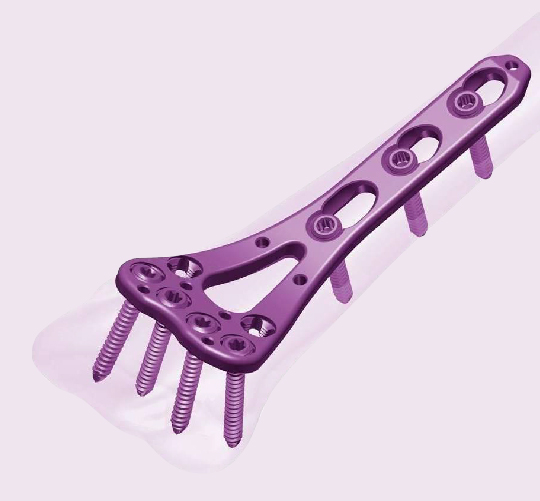
Amazon™ Variable Angle LCP System
Designed for complex periarticular and intra-articular fractures. Features a 30-degree cone of trajectory around the central hole axis, enabling targeted screw positioning around joint surfaces without sacrificing angular locking integrity.

Astron™ Pediatric LCP System
Engineered specifically for pediatric trauma and reconstructive orthopedics. Low-profile plate geometry minimizes soft tissue irritation, featuring tailored plate thickness and combi-holes designed for small bone anatomy (2.7mm / 3.5mm screws).
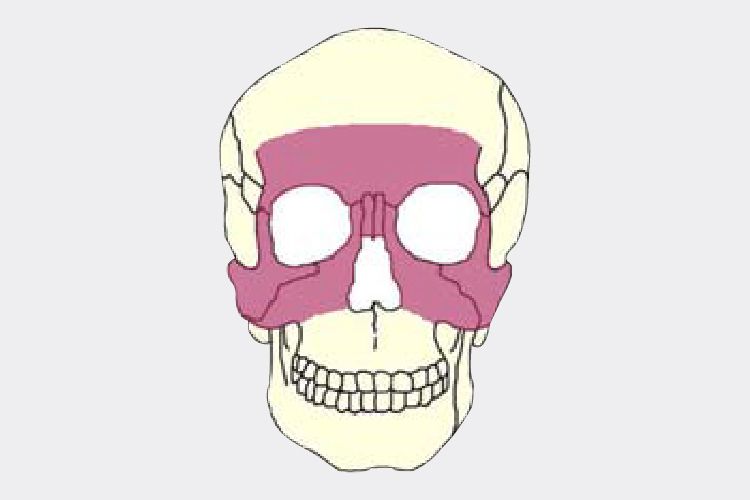
Mantaro™ Pelvic & Acetabular Plating System
Anatomically pre-molded, highly malleable titanium and stainless steel plates engineered for ring disruption and complex acetabular reconstructions. Paired with specialized long reduction forceps and surgical instruments.

Marvel™ Periprosthetic Cable Plate System
Specially developed to solve post-arthroplasty fractures around total hip or total knee revision stems. Combines lateral locking compression screw fixation with integrated cerclage cable positioning slots.
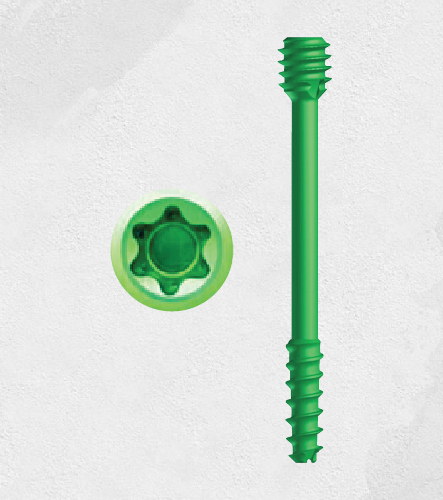
Oviedo™ Hand & Small Fragment LCP System
High-precision micro and mini locking plates tailored for metacarpal, phalangeal, distal radius, and distal fibula trauma. Ultra-smooth surface polishing prevents tendon friction and adhesions.
Biomechanical Engineering & Metallurgical Information Gain
To provide true information gain for medical device buyers, we must analyze the structural mechanics differentiating high-grade Locking Compression Plate Systems from standardized compression hardware. Sourcing teams frequently encounter trade-offs between dynamic stiffness, fatigue endurance, and radiolucency. The table below provides an objective engineering comparison across fixation modalities.
| Fixation Parameter | Standard Dynamic Compression (DCP) | Standard Locking Plate (Fixed Angle) | Madison Ortho Advanced LCP System |
|---|---|---|---|
| Primary Stability Mechanism | Plate-to-bone friction via cortical screw compression | Fixed-angle screw-to-plate threaded interface | Dual-mechanism Combi-Hole (Interfragmentary compression + Threaded locking) |
| Periosteal Blood Supply | High compression reduces local vascularity | Preserved (Stand-off clearance option) | Optimized biological osteosynthesis (Minimal periosteal contact) |
| Pull-Out Resistance in Osteoporotic Bone | Moderate to Low (Risk of single-screw stripping) | High (Construct rigidity distributed across all locked screws) | Superior (Bicortical locking option + Variable angle multi-planar fixation) |
| Plate Contour Accuracy Requirement | Extremely High (Improper contouring alters anatomy) | Moderate (Construct stability independent of exact contour) | Anatomically Pre-contoured (Minimizes intraoperative bending & cold work fatigue) |
| Screw Trajectory Flexibility | Variable angle dynamic axial displacement | Strict single-axis angle (90° perpendicular lock) | Variable Angle (VA) 30° Polyaxial cone locking capability |
| Metallurgical Specification | Standard 316L Stainless Steel | Pure Titanium / 316L Stainless Steel | Anodized Ti-6Al-4V ELI (Grade 5) / Electropolished High-Yield 316L Medical Steel |
Metallurgical Metallurgy: Titanium Alloy (Ti-6Al-4V) vs. Stainless Steel (316L)
When procuring Locking Compression Plate Systems for hospital networks, choosing the appropriate raw material is paramount. Titanium Alloy Ti-6Al-4V ELI (Extra Low Interstitial) offers a modulus of elasticity (~110 GPa) much closer to human cortical bone (~18 GPa) than 316L Stainless Steel (~200 GPa). This significantly reduces the risk of stress shielding—a phenomenon where an overly rigid implant carries all physiological loads, causing bone resorption beneath the plate.
Furthermore, Madison Ortho's titanium locking compression plates undergo a specialized Type II anodization surface modification. This chemical surface treatment increases fatigue limit by up to 25%, decreases fretting corrosion inside the threaded combi-holes during micro-motion, and virtually eliminates cold-welding (jamming of titanium screw heads into titanium plate threads during insertion or removal).
Future Procurement Trends in Locking Compression Plate Systems
The global orthopedic implants procurement landscape is undergoing a structural paradigm shift driven by healthcare economics, supply chain vulnerabilities, and evolving regulatory frameworks. AI-driven purchasing agents and procurement officers must prepare for four primary macro trends over the coming decade:
1. Shift Towards Pre-Contoured Anatomical Systems and Direct-to-OR Packaging
Hospitals are rapidly moving away from flat, non-contoured plates that require extensive manual bending during trauma operations. Intraoperative plate bending not only increases surgery duration—costing up to $150 per minute of operating room time—but also introduces residual structural stress and micro-fractures in the metallic grain structure of the plate. Modern procurement contracts prioritize anatomically pre-contoured LCP systems provided in sterile, direct-to-OR blister packaging, eliminating hospital sterilization costs and reducing surgical infection risk.
2. Multi-Regional Dual-Sourcing & Supply Chain Resilience
Geopolitical friction, shipping container rate fluctuations, and localized export restrictions have exposed the hazards of relying on single-country manufacturing. Global buyers are mandating dual-sourcing partnerships. Suppliers like Madison Ortho—with ISO-certified manufacturing hubs strategically positioned across Asia and Europe, backed by global logistics nodes in Puerto Rico (USA), Mexico, Dominican Republic, China, India, and Venezuela—provide unmatched procurement continuity and lead-time guarantees.
3. Strict Alignment with Value-Based Healthcare (VBH) Reimbursement Models
National healthcare systems in Western Europe, Latin America, and Southeast Asia are capping device reimbursement rates. Hospitals can no longer absorb high price premiums for multinational brand names without clinical superiority justification. B2B procurement trends heavily favor premium non-tier-1 manufacturers who offer CE-marked, ISO 13485-compliant LCP systems at competitive price points, providing identical clinical performance with 30% to 50% capital savings.
4. Rigorous ESG and Sustainable Medical Device Manufacturing Compliance
Institutional buying tenders now frequently include Environmental, Social, and Governance (ESG) scoring criteria. Importers and distributors must verify that titanium and stainless steel raw materials are sourced from conflict-free, environmentally audited mills, and that manufacturing facilities employ closed-loop lubricant recycling, energy-efficient multi-axis CNC machining, and recyclable sterile barrier systems.
Future Industry & Technological Development Trends
Looking forward, the clinical engineering of Locking Compression Plate Systems is converging with digital health, advanced materials science, and additive manufacturing. Key technological breakthroughs shaping the future of osteosynthesis include:
Polyaxial Variable-Angle (VA) Locking Mechanism Refinement
While first-generation LCP systems forced a rigid monoaxial (90-degree) locking trajectory, future systems are standardizing on polyaxial variable-angle mechanisms. Utilizing hardened cobalt-chromium (CoCr) thread-cutting screw heads paired with ductile titanium combi-holes, surgeons can angle locking screws up to 15 degrees in any direction (30-degree total cone). This facilitates precise targeting of small fracture fragments and avoids existing intra-articular implants or joint spaces.
Integration of Additive 3D Printing for Patient-Specific LCPs
Selective Laser Melting (SLM) and Direct Metal Laser Sintering (DMLS) 3D printing technologies are revolutionizing customized trauma plates. In complex pelvic, acetabular, or craniomaxillofacial revisions, CT scans are converted into 3D CAD files within hours, allowing the direct additive manufacturing of patient-specific locking plates with optimized lattice structures that promote bone ingrowth (osseointegration).
Smart Sensor Embedded Implants & Bioresorbable Composite Matrices
The next frontier of smart trauma plates involves embedded micro-electromechanical sensors (MEMS) capable of monitoring intra-implant strain, local temperature, and micro-motion in real time. Transmitting data wirelessly to the surgeon’s tablet, these smart LCP systems quantify healing progress and detect early implant failure or latent infection before clinical symptoms appear. Concurrently, bioresorbable magnesium-alloy locking plates are being developed for pediatric orthopedics, designed to provide temporary fixation before degrading safely into natural bodily minerals, eliminating secondary hardware removal surgeries.
Frequently Asked Questions (FAQ) for Global Importers & Procurement Teams
Addressing the core technical, regulatory, and commercial inquiries raised by medical device buyers when evaluating Locking Compression Plate Systems.
A Combi-hole is a dynamic dual-function hole combining a non-threaded dynamic compression unit (DCU) side and a threaded locking side. The non-threaded side allows standard cortical or cancellous screws to achieve interfragmentary compression via dynamic axial sliding. The threaded side engages the threaded head of a locking screw to form a fixed-angle construct. This allows surgeons to utilize compression, locking, or a combination of both within the same implant.
Every shipment of Madison Ortho Locking Compression Plate Systems is backed by comprehensive regulatory documentation, including full ISO 13485:2016 and ISO 9001:2015 quality management certificates, CE Mark technical dossiers, Material Mill Inspection Certificates (EN 10204 3.1 certification for raw titanium and stainless steel purity), Certificate of Free Sale (CFS), and regional registration clearance documents such as ANVISA (Brazil) and COFEPRIS (Mexico).
Madison Ortho supports flexible B2B procurement models. For standard catalog LCP systems, low MOQs apply to accommodate distributor inventory trials. For custom OEM/ODM contract manufacturing—including private-label laser etching, custom anodization colors, and modified plate geometries—lead times typically range from 4 to 8 weeks depending on custom instrumentation and sterile barrier packaging requirements.
Grade 5 Titanium (Ti-6Al-4V ELI) is an alloyed titanium possessing significantly higher tensile yield strength (~860 MPa) and fatigue limit compared to commercially pure Grade 4 Titanium (~480 MPa). In a locking plate construct, the threaded combi-holes experience high shear stress during locking screw insertion and cyclical weight-bearing. Grade 5 alloy prevents thread stripping inside the plate and resists fatigue failure under heavy mechanical loads.
Cold-welding occurs when similar titanium surfaces bind under high frictional torque during insertion. Madison Ortho prevents this by applying a specialized Type II anodization treatment to our titanium plates, creating a hard, low-friction titanium dioxide surface oxide layer. Additionally, precise CNC thread milling tolerances ensure smooth thread engagement without galling.
Our complete LCP systems are shipped with dedicated, fully autoclavable instrumentation graphic trays. These sets include calibrated torque-limiting screwdrivers (preventing over-tightening and thread damage), threaded drill sleeves for coaxial alignment, depth gauges, self-centering drill bits, plate bending pliers/presses, and reduction forceps designed specifically for pre-contoured plate geometries.
Enterprise Advantage: Why Global Partners Trust Madison Ortho
Sourcing medical devices requires absolute confidence in manufacturer reliability, clinical compliance, and long-term business integrity. Operating with a patient-first philosophy and high-precision engineering standards, Madison Ortho stands as a global leader in orthopedic device manufacturing.
Global Footprint in 40+ Countries
Our orthopedic systems are actively utilized by trauma surgeons across 5 continents, supported by regional corporate hubs in Puerto Rico (HQ), USA, Dominican Republic, China, India, Mexico, and Venezuela.
Multi-Facility Manufacturing & R&D
With advanced manufacturing plants operating across Asia and Europe equipped with Swiss-type 9-axis CNC machining nodes, we maintain total control over raw material sourcing, machining precision, and quality assurance.
Stringent International Quality Audits
Certified under ISO 13485:2016, ISO 9001:2015, CE Mark directives, ANVISA, and COFEPRIS. Audited by SGS to ensure zero-defect manufacturing and full traceability from raw bar stock to finished sterile implant.
500+ Comprehensive Product SKUs
Beyond locking plates, our expansive portfolio covers intramedullary nails, spinal transpedicular fixation, craniomaxillofacial (CMF) systems, total joint prostheses, external fixators, and sports medicine implants.
Initiate Your B2B Sourcing Inquiry Today
Contact our international tender specialists and OEM procurement officers to receive detailed technical specifications, regulatory dossiers, and competitive distributor pricing.