
Madison Ortho Knowledge Center

Orthopedic Surgical Insights & Innovations

Exploring clinical developments, advanced implant technologies, trauma fixation solutions, and news from the global orthopedic community.

0%

Choosing the right Ankle Arthrodesis Nail Systems is a clinical decision, not a catalogue exercise. The implant must match patient anatomy, bone quality, deformity, and surgical goals. A stable construct can support fusion, alignment, and controlled weight bearing when selected carefully.

This guide examines ten practical factors that experienced surgeons and purchasing teams should assess. These include nail diameter, length, locking options, compression capability, material, instrumentation, and imaging visibility. The entry point matters too. A few millimeters of error can affect alignment, soft tissue tension, or joint preparation. That detail is easy to underestimate.

Patient-specific planning remains essential. Computed tomography may clarify bone loss, previous hardware, or complex deformity. Operative experience also reveals issues that brochures rarely mention, such as difficult targeting, limited screw access, or awkward instrument handling. The best system on paper may feel less efficient in a demanding case. That is worth questioning.

Clinical evidence, manufacturer quality controls, sterilization compatibility, and regulatory status should guide final selection. Surgeons should review peer-reviewed data and follow local requirements. No implant eliminates biological risk. Fusion can be delayed, and complications may occur despite careful technique. Honest evaluation improves decision-making.

This article offers a practical framework for comparing systems without treating one feature as universally superior. It also highlights common selection mistakes and areas requiring professional judgment. Some recommendations may change as evidence develops. That is the point. Better choices begin with careful questions.
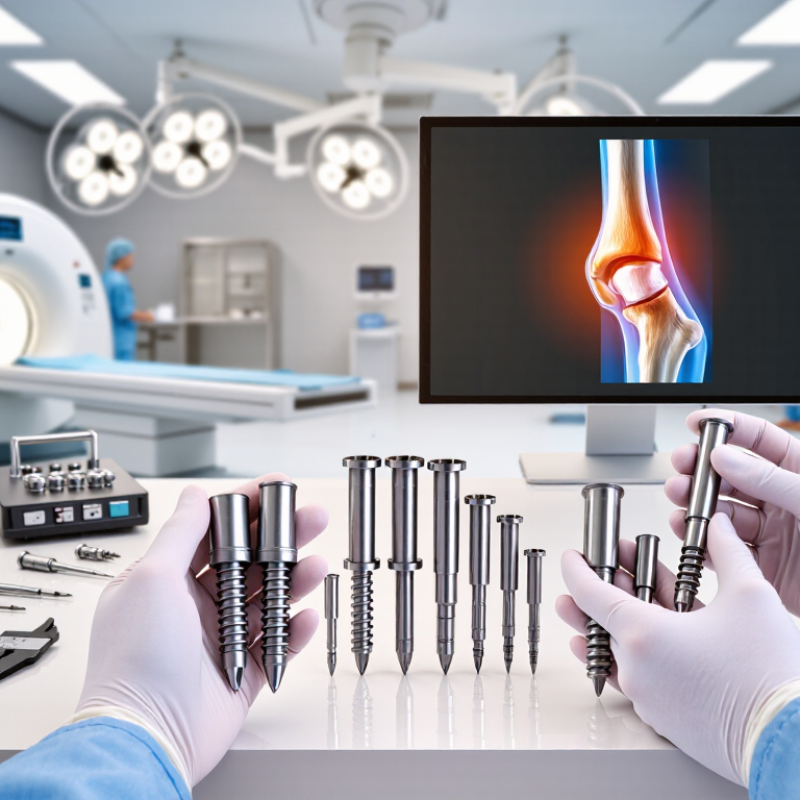
10 Tips for Choosing Ankle Arthrodesis Nail Systems

Understanding Ankle Arthrodesis Nail Systems and Their Clinical Purpose

Ankle arthrodesis nail systems stabilize the ankle and hindfoot while painful motion is eliminated. They are commonly considered for severe arthritis, deformity, failed joint replacement, or complex trauma. The clinical purpose is reliable fusion, balanced alignment, and gradual load transfer through the lower limb. It is not a routine replacement for ankle motion. Patient selection requires medical history, physical examination, weight-bearing radiographs, and sometimes advanced imaging. Bone quality and vascular status also deserve attention.

When choosing a system, assess ten practical points: nail diameter, available lengths, entry-point design, locking options, compression control, screw trajectories, instrumentation, radiographic visibility, soft-tissue demands, and published clinical evidence. The implant should match the patient’s anatomy, not force the anatomy to match a catalog. Measure carefully. Small errors at the entry point can affect alignment and wound tension. A surgeon should also consider osteoporosis, neuropathy, previous hardware, infection risk, and deformity correction needs. Fit matters.

A strong system allows controlled compression and stable fixation without unnecessary surgical complexity. Its instruments should support accurate positioning under imaging, especially when anatomy is distorted. Postoperative protocols should reflect healing progress, not just a standard calendar. No sizing chart can replace clinical judgment. A technically impressive nail may still be unsuitable for a patient with poor bone stock or limited soft-tissue coverage. Evidence is also imperfect; studies may use different definitions of fusion and follow-up periods. That limitation should remain visible during shared decision-making.

Assessing Patient Anatomy, Diagnosis, and Fusion Requirements

An ankle arthrodesis nail should match the patient, not simply the procedure. Begin with weight-bearing radiographs and, when needed, CT scans. Measure the tibial canal, hindfoot alignment, talar position, and available bone stock. A narrow canal may restrict nail options. Poor bone quality may require stronger fixation and closer follow-up. Small anatomical differences matter.

Tip 1: Confirm the diagnosis before selecting the nail. Post-traumatic arthritis, inflammatory disease, avascular necrosis, deformity, and failed fusion have different demands. Check for infection, neuropathy, vascular problems, and previous hardware. These findings can change the surgical plan completely. Do not overlook the skin.

Tip 2: Define the fusion target clearly. Decide whether the construct must support the ankle alone or include the subtalar joint. Consider limb length, coronal alignment, rotation, and the patient’s walking goals. Nail length and locking options should support stable compression across prepared surfaces. Bone preparation remains critical; a sophisticated implant cannot replace poor contact.

Tip 3: Match fixation to healing risk. Smoking history, diabetes control, osteoporosis, and revision status may affect fusion potential. Discuss realistic recovery timelines and weight-bearing limits with the patient. Experienced teams also review imaging in multiple planes and plan for unexpected anatomy. That step is easy to rush. It should not be. Evidence guides selection, but careful clinical judgment remains essential.

Comparing Nail Design, Materials, Sizes, and Locking Options

Choosing an ankle arthrodesis nail starts with anatomy, not a catalogue image. Nail design should match the patient’s talar position, bone quality, and fusion gap. A 2022 systematic review in Journal of Orthopaedic Surgery and Research reported union rates near 90% for hindfoot and ankle fusion nails, but outcomes varied between studies. That variation matters.

Material selection affects handling and imaging. Titanium alloy is lighter and creates fewer imaging artefacts than stainless steel in many settings. However, stiffness and fatigue resistance still require attention. A smaller nail may fit a narrow tibial canal, yet it can reduce construct strength. A larger nail may improve load sharing, but insertion becomes less forgiving. Measure the canal carefully. Do not trust one radiograph.

Locking options deserve equal scrutiny. Multiple distal locking holes can support different talar and calcaneal trajectories. Static locking may protect alignment when bone quality is poor. Dynamic options may permit controlled compression, but only when the surgeon understands the system’s mechanics. The 2023 American Academy of Orthopaedic Surgeons technology literature notes that fixation stability depends on screw configuration, bone purchase, and construct alignment, not nail diameter alone. I would not pretend that one locking pattern suits every case. In practice, a screw placed near the posterior heel can change the entire feel of the construct. Small details matter.”】【

Evaluating Surgical Compatibility, Stability, and Implant Safety

10 Tips for Choosing Ankle Arthrodesis Nail Systems

Tip 1: Match the nail system to the surgical plan, not the other way around.

Review the ankle, subtalar, and hindfoot anatomy on weight-bearing radiographs and cross-sectional imaging. Nail length, diameter, entry point, and locking options should support the intended fusion surfaces. The system must also fit available instruments and the surgeon’s established approach. Small mismatches can create major intraoperative delays.

Tip 2: Evaluate stability under realistic loading conditions.

Check the number, direction, and spacing of locking screws. Confirm whether the construct can maintain alignment in patients with poor bone quality, deformity, or previous surgery. A rigid feeling construct is not always a stable construct. Ask for clinical evidence, mechanical testing, and clear indications. Avoid relying on marketing language alone.

Tip 3: Treat implant safety as a daily responsibility.

Verify material information, sterilization status, traceability, and documented regulatory authorization for the intended use. Review the instructions for insertion, removal, and imaging compatibility. A practical lesson is easy to miss: instrument handling can affect implant performance. Surgical teams should rehearse the workflow and identify weak points before the operation. No checklist replaces judgment. But every checklist deserves honest revision.

Reviewing Outcomes, Durability, Costs, and Manufacturer Support

Choosing an ankle arthrodesis nail requires more than comparing implant prices. A systematic review of 783 tibiotalocalcaneal arthrodeses reported an overall union rate near 87%. Outcomes varied with diabetes, bone loss, smoking, and fixation strategy (Foot and Ankle Surgery). Durability depends on load sharing, nail diameter, locking options, and accurate compression. Ask whether the system supports difficult anatomy, not only routine cases.

Costs also extend beyond the purchase order. CMS payment files show that reimbursement changes by diagnosis, hospital setting, and regional wage index. Revision surgery can add imaging, extended rehabilitation, and additional inpatient care. A cheaper nail may become expensive when specialized extraction tools or unplanned inventory are needed. Request complete pricing, tray requirements, sterilization costs, and expected lead times. The numbers are rarely as clean as sales spreadsheets suggest.

Manufacturer support should be tested before surgery. Confirm instrument availability, technical training, surgical planning help, and response times for urgent issues. The FDA MAUDE database can identify reported device problems, but it lacks reliable usage denominators. Therefore, it cannot establish true failure rates. Published evidence remains essential. Some studies combine different nails and patient risks, weakening direct comparisons. That limitation deserves attention. A practical trial setup can expose missing guides, awkward screw access, or unclear extraction steps before a patient is on the table.

Ankle Arthrodesis Nail Systems: Reported Outcome Ranges

Published studies commonly report variable results depending on patient selection, surgical technique, implant design, and follow-up duration.

The chart summarizes representative ranges reported in clinical literature: fusion rates are generally high, while reoperation, infection, and implant breakage vary across patient populations. Total cost and manufacturer support should be assessed separately using hospital purchasing data, warranty terms, instrumentation availability, and long-term clinical service.

FAQS

What is the clinical purpose of an ankle arthrodesis nail system?

It stabilizes the ankle and hindfoot while eliminating painful motion. The goal is reliable fusion, balanced alignment, and gradual load transfer.

When might ankle arthrodesis be considered?

It may be considered for severe arthritis, deformity, failed joint replacement, or complex trauma. It is not a routine replacement for ankle movement.

What examinations help determine suitability?

Doctors usually review medical history, physical findings, and weight-bearing radiographs. CT imaging may clarify bone stock, hindfoot alignment, or unusual anatomy. Skin condition matters too.

Which anatomical measurements affect nail selection?

Important measurements include tibial canal width, nail length, hindfoot alignment, talar position, and available bone stock. A narrow canal may limit options. Small differences matter.

How should the fusion target be defined?

The surgical plan should specify whether fusion involves the ankle alone or also the subtalar joint. It should consider limb length, rotation, coronal alignment, and walking goals. The target must be clear.

What patient factors can reduce fusion potential?

Diabetes control, smoking history, osteoporosis, neuropathy, infection, poor circulation, and revision surgery may increase risk. Previous hardware can complicate planning. Risk is not perfectly predictable.

What features should be compared between nail systems?

Review nail diameter, available lengths, entry-point design, locking options, compression control, screw paths, and instrument quality. Radiographic visibility and soft-tissue demands also matter. A catalog cannot replace judgment.

How important are compression and bone preparation?

Controlled compression can support stable fixation across prepared bone surfaces. However, an advanced implant cannot compensate for poor bone contact. Preparation remains critical.

What should hospitals evaluate beyond the implant price?

Review instrument trays, sterilization costs, training, planning support, extraction tools, and delivery times. Unexpected equipment needs can increase total costs. The spreadsheet may look cleaner than reality.

How reliable is the available clinical evidence?

Reported union rates are generally favorable, but studies use different patients and fusion definitions. Follow-up periods also vary. Evidence helps, but it is not perfect.

Conclusion

Choosing the right Ankle Arthrodesis Nail Systems requires a structured evaluation of clinical goals, patient anatomy, and long-term performance. Surgeons should first confirm the diagnosis, bone quality, deformity, alignment, and fusion requirements to determine whether a specific nail configuration can provide appropriate compression and support. Key factors include nail length, diameter, curvature, material strength, entry-point design, and the availability of locking options suited to the patient’s anatomy and surgical plan.

It is also important to assess compatibility with the intended surgical technique, imaging equipment, instruments, and postoperative care pathway. A reliable system should promote stable fixation, reduce the risk of mechanical complications, and support predictable fusion while allowing efficient insertion and adjustment. Before selection, clinicians should compare available evidence on outcomes, durability, revision considerations, total costs, training resources, and technical support. A balanced decision should prioritize patient safety, surgical practicality, and dependable long-term results rather than focusing on a single feature.

Emma

Emma

Emma is a dedicated marketing professional with a profound expertise in our company’s products and services. With years of experience in the field, she consistently contributes valuable insights and content to our professional blog, ensuring that our audience is well-informed about the latest......