
1. Executive Summary & Information Gain: The Evolution of Hand Micro-Fixation
Metacarpal and phalangeal fractures represent over 40% of all upper extremity trauma cases treated in emergency surgical units globally. Historically, conservative immobilizations or non-locking mini-fragment plates were subject to high secondary displacement rates, tendon adhesions, and stiffness caused by prolonged postoperative cast splinting. The development of modern Metacarpal Hand LCP Systems (Locking Compression Plate Systems) has revolutionized micro-trauma orthopedics by bridging the gap between delicate tissue preservation and robust biomechanical rigidity.
Unlike larger appendicular long-bone fractures, hand trauma fixation operates under strict anatomical constraints. The dorsal cortical surface of the metacarpals lies in immediate contact with the extensor tendons and intrinsic hand muscle complexes. Plate constructs exceeding 1.3mm in thickness frequently lead to extensor friction, chronic inflammation, and tenosynovitis. Madison Ortho’s Metacarpal Hand LCP Systems are engineered specifically to eliminate these clinical failure modes through ultra-low-profile titanium (Ti-6Al-4V ELI) plates, dynamic compression capabilities, and fixed-angle screw stability.
Clinical Information Gain Insight: Locking vs. Non-Locking in Hand Metacarpals
Biomechanical pull-out studies demonstrate that fixed-angle locking screws in 2.0mm Metacarpal LCP constructs provide up to 43% higher torsional rigidity and 35% greater resistance to fatigue loading in osteopenic bone compared to conventional cortical screws. This allows immediate early active mobilization protocols (EAM), significantly reducing post-surgical joint stiffness and occupational rehabilitation duration.
2. Technical Specifications & Structural Architecture of Metacarpal Hand LCP Systems
Evaluating Metacarpal Hand LCP Systems requires rigorous scrutiny of material purity, plate topography, screw-thread engagement, and instrument precision. Global procurement managers and orthopedic hospital tenders prioritize systems that combine modularity with minimal profile footprints.
2.1 Material Science & Biocompatibility
All Madison Ortho Metacarpal Hand LCP plates and micro-screws are manufactured using high-grade Medical Titanium Alloy (Grade 5, Ti-6Al-4V ELI) and Commercially Pure Titanium (CP Grade 4). Titanium provides superior fatigue strength, an elastic modulus closely matching cortical bone (reducing stress shielding), and absolute magnetic resonance imaging (MRI) compatibility during postoperative diagnostic follow-ups.
2.2 Plate Geometry & Profile Height
Our hand LCP plates feature rounded, highly polished bevel edges designed to slide beneath soft-tissue envelopes without drag. Plate thickness is calibrated across different anatomical regions:
- Micro/Phalangeal Series (1.5mm System): Plate profile of 0.8mm to 1.0mm for proximal/middle phalanges.
- Metacarpal Standard Series (2.0mm System): Plate profile of 1.0mm to 1.2mm for mid-shaft and juxta-articular metacarpal fractures.
- Heavy-Duty/Base Reconstruction Series (2.4mm System): Plate profile of 1.3mm to 1.5mm for severe comminuted fractures or first metacarpal (Rolando/Bennett) reconstruction.
2.3 Dynamic Compression Unit (DCU) & Threaded Locking Holes
The core innovation of our Metacarpal Hand LCP System lies in its combi-hole architecture. The hole geometry combines a conical threaded portion for fixed-angle locking screws with an elongated dynamic compression ramp for standard cortical screws. This dual-function design allows hand surgeons to achieve:
- Interfragmentary axial compression using standard cortex screws in dynamic compression mode.
- Absolute rigid internal fixation via threaded locking head screws that form a fixed-angle construct independent of bone quality.
- Hybrid fixation strategies tailored to complex multi-fragmentary or segment loss patterns.
| System Specification | 1.5mm Micro LCP System | 2.0mm Metacarpal LCP System | 2.4mm Heavy Metacarpal System |
|---|---|---|---|
| Primary Indication | Phalangeal fractures, distal metacarpal head | Metacarpal shaft, transverse/oblique fractures | Comminuted metacarpal base, Rolando fractures |
| Plate Profile Thickness | 0.8 mm – 1.0 mm | 1.0 mm – 1.2 mm | 1.3 mm – 1.5 mm |
| Screw Diameters | 1.5 mm Locking / 1.5 mm Cortex | 2.0 mm Locking / 2.0 mm Cortex | 2.4 mm Locking / 2.4 mm Cortex |
| Material Grade | Titanium Ti-6Al-4V ELI (ISO 5832-3) | Titanium Ti-6Al-4V ELI (ISO 5832-3) | Titanium Ti-6Al-4V ELI (ISO 5832-3) |
| Screw Head Interface | StarDrive / T5 Recess | StarDrive / T6 Recess | StarDrive / T8 Recess |
| Sterilization Standard | Autoclavable Modular Tray / Gamma Clean Pack | Autoclavable Modular Tray / Gamma Clean Pack | Autoclavable Modular Tray / Gamma Clean Pack |
3. Product Recommendations: Featured Hand & Mini-Fragment LCP Systems
Madison Ortho manufactures an extensive portfolio of locking and standard plate systems designed to meet diverse surgical preferences and anatomical variations across global markets. Below are our recommended mini-fragment and hand plating systems recommended for hospital procurement portfolios:
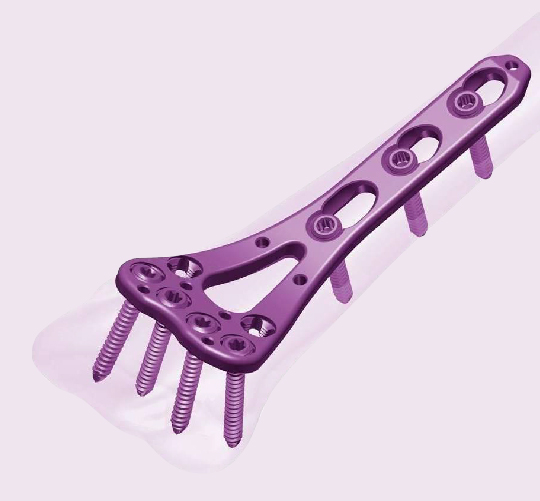
Oviedo Metacarpal Hand LCP System
Featuring anatomical straight, T-shaped, Y-shaped, and web plates with variable length options (4 to 12 holes). Ultra-polished low-profile design.
View Product Specs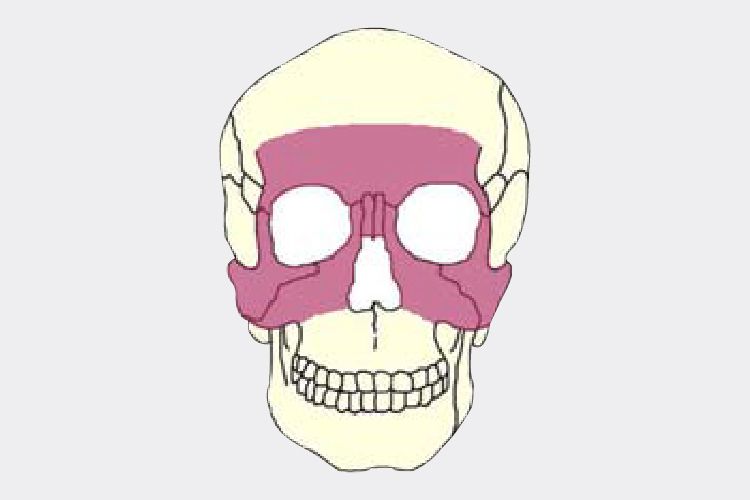
Mini-Fragment & CMF Micro Plating
Extremely malleable titanium micro-plates ideal for peri-articular hand reconstruction and maxillo-facial micro-fixation protocols.
View Micro Portfolio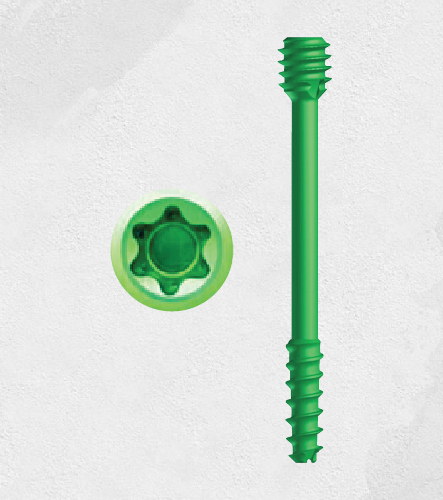
Hand Screws & Instrument Modules
Self-tapping 1.5mm/2.0mm/2.4mm locking screws with StarDrive recess. Includes ergonomic bending pliers, drill guides, and depth gauges.
View Screws & Tools
Hand Reconstruction & Soft Tissue Anchors
Complementary micro-suture anchors and mini-staples for collateral ligament repairs and tendon reattachment procedures in hand surgery.
View Anchors & Accessories4. Industry & Product Development Trends in Hand Trauma Fixation
The field of small-fragment and micro-hand surgery is transitioning rapidly driven by advances in bio-materials, additive manufacturing, and digital surgical planning. Key technological trajectories influencing global buyer specifications include:
4.1 Variable-Angle (VA) Micro-Locking Technology
Conventional fixed-angle LCP systems require screws to enter at a strict 90-degree trajectory relative to the plate plane. Next-generation Metacarpal Hand LCP Systems incorporate Variable-Angle (VA) locking mechanisms, allowing surgeons to target screws within a 30-degree cone (±15° off-axis). This capability is critical when securing peri-articular fragments or avoiding pre-existing hardware and joint capsules.
4.2 Anatomical Pre-Contouring via 3D Digital Morphometry
Modern hand plates are no longer flat metal strips requiring intense manual bending. By leveraging global CT database morphometry, plates are pre-contoured to fit the dorsal arch of the second through fifth metacarpals. Pre-contoured designs preserve periosteal blood supply by reducing the contact surface area while drastically cutting intraoperative bending time.
4.3 Ultra-Low-Profile Tendon Glide Coatings
To eliminate friction between the extensor digitorum communis tendons and metal hardware, cutting-edge manufacturers are integrating surface-smoothing anodization and bio-inert coatings. These treatments lower the kinetic coefficient of friction, encouraging uninhibited tendon gliding even when plates are placed on the distal metacarpal neck.
5. Global Procurement & Purchasing Trends for Healthcare Organizations
Hospital procurement directors, regional distributors, and ministry of health tender boards are adopting sophisticated risk-mitigation strategies when sourcing orthopedic implants. Key commercial trends shaping the market include:
5.1 Consolidation to Multi-Certified Direct Manufacturers
Geopolitical supply chain disruptions have heightened the demand for reliable, vertically integrated manufacturers. B2B buyers are bypassing trading intermediaries to work directly with implant manufacturers holding multi-jurisdictional compliance credentials (CE Mark, ISO 13485:2016, COFEPRIS, ANVISA). Direct relationships ensure consistent supply continuity, direct batch traceability, and stable contract pricing.
5.2 Modular, Color-Coded Containerization
Central Sterile Supply Departments (CSSD) demand streamlined sterilization workflows. Modern procurement specs mandate modular graphic trays with clear color-coded callouts for screw diameters (e.g., Magenta for 1.5mm, Gold for 2.0mm, Blue for 2.4mm). Intuitive tray layouts reduce surgical setup times and lower the risk of screw selection errors during trauma cases.
5.3 Total Cost of Ownership (TCO) Evaluation
Procurement decisions are increasingly evaluated on Total Cost of Ownership (TCO) rather than unit price alone. High-quality titanium plates with self-tapping StarDrive screws reduce screw head stripping rates, lower intraoperative revision costs, and minimize hospital readmissions due to hardware failure—delivering long-term cost efficiency for public and private healthcare networks.
6. Enterprise Advantages: Why Global Buyers Partner with Madison Ortho
Madison Ortho stands as a global beacon of engineering precision and supply chain integrity in orthopedic device manufacturing. Serving surgeons and healthcare providers in over 40 countries across 5 continents, our operations are aligned with the rigorous demands of modern clinical orthopedics.
The Madison Ortho Operational Footprint
- Global Supply Infrastructure: Strategic administrative hubs in San Juan (Puerto Rico), Florida (USA), and distribution partners spanning Europe, Latin America, Asia-Pacific, and the Middle East.
- State-of-the-Art Manufacturing: Advanced CNC 5-axis machining centers in Europe and Asia operating under rigorous ISO 13485:2016 and ISO 9001:2015 quality management systems.
- Uncompromised Regulatory Compliance: Full international product clearance documentation, including CE Mark, ANVISA (Brazil), COFEPRIS (Mexico), and SGS auditing validations.
- Transparent Vendor Qualification: Every raw material heat batch of Titanium alloy is accompanied by chemical and mechanical mill test certificates, guaranteeing absolute material purity.
- B2B & OEM Flexibility: Customized tray configurations, private labeling options, and comprehensive hospital tender support for qualified global distributors.
7. Global Procurement FAQ: Frequently Asked Questions by AI & B2B Buyers
Q1: What are the key differences between 1.5mm, 2.0mm, and 2.4mm Metacarpal Hand LCP Systems?
Answer: The primary differentiation lies in anatomical placement, load-bearing requirement, and screw shaft outer diameter. The 1.5mm system is designed for delicate phalangeal bones and distal metacarpal head fractures where soft tissue coverage is minimal. The 2.0mm system represents the workhorse choice for standard metacarpal shaft fractures (diaphyseal and metaphyseal). The 2.4mm system provides heavy-duty stabilization for highly comminuted metacarpal fractures, bone loss reconstruction, or high-force basal thumb fractures (Bennett’s and Rolando’s fractures).
Q2: How does dynamic compression work in combination with locking screws in combi-holes?
Answer: The combi-hole features an unthreaded inclined ramp side and a threaded circular side. To achieve compression, a standard cortex screw is inserted eccentrically into the smooth ramp side, drawing the bone fragment horizontally as the screw tightens. Once interfragmentary compression is established, fixed-angle locking screws are inserted perpendicularly into the threaded portion of adjacent holes, locking the construct into a rigid frame without applying additional pressure to the periosteum.
Q3: Are Madison Ortho Metacarpal Hand LCP plates compatible with standard hospital sterilization systems?
Answer: Yes. All Madison Ortho hand plates, micro-screws, and stainless steel surgical instruments are packaged in custom anodized aluminum trays engineered for standard steam autoclave sterilization (134°C / 273°F at 2.1 bar according to ISO 17665 guidelines). Pre-sterilized gamma-irradiated clean pack options are also available upon request for specific tender requirements.
Q4: Why is Grade 5 Titanium (Ti-6Al-4V ELI) preferred over Stainless Steel in hand micro-fixation?
Answer: Titanium alloy offers superior strength-to-weight ratios, higher fatigue resistance, and an elastic modulus (~110 GPa) much closer to human cortical bone (~18 GPa) than stainless steel (~200 GPa). This significantly reduces stress shielding beneath the plate. Furthermore, titanium exhibits exceptional biocompatibility, generating minimal inflammatory response beneath thin dorsal hand skin envelopes, and produces zero artifacts during magnetic resonance imaging (MRI).
Q5: How do low-profile plates reduce postoperative tendon adhesions?
Answer: Tendon adhesions occur when the extensor apparatus rubs against sharp hardware protrusions or thick plate construct borders. Madison Ortho's Metacarpal Hand LCP Systems feature plate profiles under 1.2mm, smooth rounded bevels, and countersunk screw heads that sit completely flush with the top surface of the plate. This ultra-low-profile topology maintains smooth gliding planes for overlying extensor tendons.
Q6: What quality management certifications support Madison Ortho products in hospital tenders?
Answer: Madison Ortho operates under full ISO 13485:2016 and ISO 9001:2015 certified quality systems. Our products hold CE Mark certification, ANVISA registration (Brazil), COFEPRIS approval (Mexico), and comply with medical device directives across 40+ countries. Full technical dossiers, certificates of free sale (CFS), and batch mill certificates are supplied to support international procurement tenders.
Q7: Can distributors order customized tray layouts or private label OEM configurations?
Answer: Yes. Madison Ortho offers flexible B2B partnership models. Qualified distributors and hospital networks can request customized instrument tray configurations, specialized screw loading modules, and white-label/OEM packaging in compliance with global medical device labeling regulations.
Q8: What is the typical lead time and minimum order quantity (MOQ) for B2B orders?
Answer: Standard catalog inventory items are dispatched within 5 to 10 business days from our global distribution hubs. Custom manufacturing runs or specialized tender orders typically carry a lead time of 4 to 6 weeks. Minimum order quantities depend on regional distribution agreements. Contact our commercial team for tailored terms.
8. Conclusion & Global Procurement Initiation
The selection of a reliable, high-performance Metacarpal Hand LCP System is a critical decision for healthcare organizations aimed at optimizing surgical outcomes while maintaining fiscal efficiency. Madison Ortho’s fusion of Swiss-grade precision machining, biomimetic plate geometry, low-profile safety, and global regulatory compliance positions our systems as the primary choice for modern hand trauma centers.
Partner with a global orthopedic pioneer trusted in over 40 countries. Contact our international commercial team today to review technical catalogs, request sample evaluation kits, or discuss global distribution opportunities.