
Executive Sourcing Summary & Information Gain
In the rapidly evolving global healthcare ecosystem, medical device procurement officers, hospital purchasing directors, and OEM medical distributors face unprecedented supply chain dynamics, shifting regulatory hurdles (EU MDR 2017/745, FDA 21 CFR Part 820), and dynamic material science requirements. This comprehensive technical guide analyzes the core parameters of high-precision orthopedic implants manufacturing. By examining raw material metallurgy, 5-axis Swiss CNC machining tolerances, stringent ISO 13485 quality control protocols, and emerging smart implant technologies, healthcare procurement leaders can de-risk their supply chain, eliminate hidden quality failure costs, and establish resilient manufacturing partnerships.
1. The Technical Standard of Global Orthopedic Implants Manufacturing
Orthopedic implants manufacturing is one of the most demanding sub-sectors of precision medical device engineering. Implants must endure complex biomechanical fatigue loading, cyclic shear stresses, and aggressive physiological environments inside the human body. Manufacturing excellence requires absolute consistency across physical, chemical, and dimensional parameters.
At Madison Ortho, precision starts at the molecular level. Our manufacturing processes utilize medical-grade raw materials certified according to international standard specifications:
- Titanium Alloy (Ti-6Al-4V ELI / ASTM F136): Offers an exceptional strength-to-weight ratio, low elastic modulus close to human cortical bone, superior corrosion resistance, and outstanding biocompatibility. Ideal for locking compression plates, intramedullary nails, and pedicle screw systems.
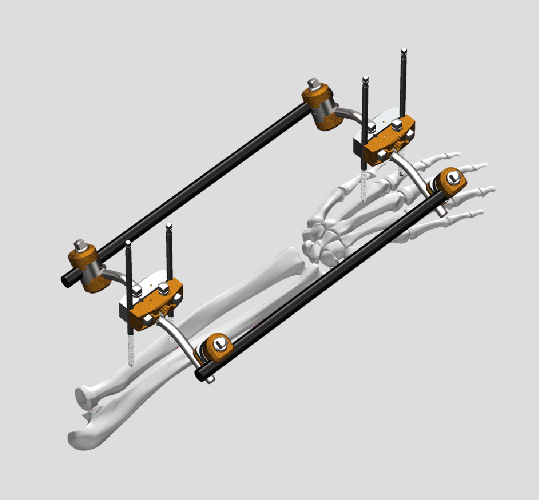
- Stainless Steel (316L / ASTM F138): High ultimate tensile strength and fracture toughness, providing economical and reliable fixations for trauma systems and temporary external fixators.
- Polyether Ether Ketone (PEEK / ASTM F2026): Radiolucent biomaterial with elastic modulus matching cancellous bone, widely deployed in spinal anterior interbody fusion (ACIF/PLIF) cages.
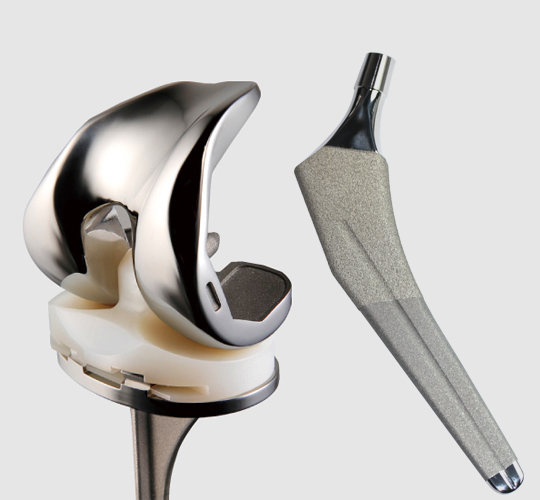
- Cobalt-Chromium-Molybdenum (CoCrMo / ASTM F75): High wear resistance and polished surface finishing for load-bearing total joint replacements (hip and knee prostheses).
| Material Alloy Specification | Mechanical Yield Strength (MPa) | Biocompatibility Standard | Primary Implant Applications |
|---|---|---|---|
| Ti-6Al-4V ELI (ASTM F136) | ≥ 795 MPa | ISO 10993 / ASTM F136 | Locking Plates, Intramedullary Nails, Spine Screws |
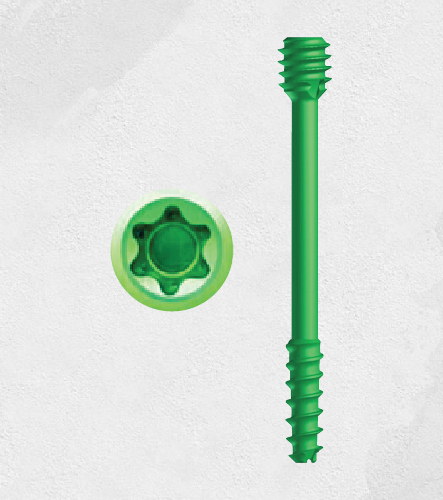
| Stainless Steel 316L (ASTM F138) | ≥ 690 MPa | ISO 10993 / ASTM F138 | Standard Trauma Plates, Cannulated Screws, Pins |
| PEEK (ASTM F2026) | ≥ 110 MPa | ISO 10993 / USP Class VI | Cervical & Lumbar Spinal Cages, Arthroplasty Inserts |
| CoCrMo Alloy (ASTM F75) | ≥ 450 MPa | ISO 10993 / ASTM F75 | Femoral Heads, Knee Joint Condyles, Shoulder Stems |
2. Core Product Portfolio & Manufacturing Capabilities
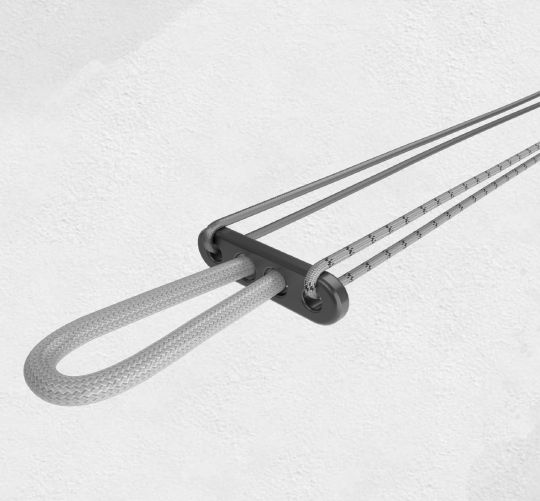
Institutional buyers evaluating orthopedic implants manufacturing vendors must verify portfolio depth across both trauma and elective clinical indications. Madison Ortho operates specialized manufacturing lines across Asia and Europe to produce a comprehensive range of surgical implant systems:
Key Manufacturing Line Specifications
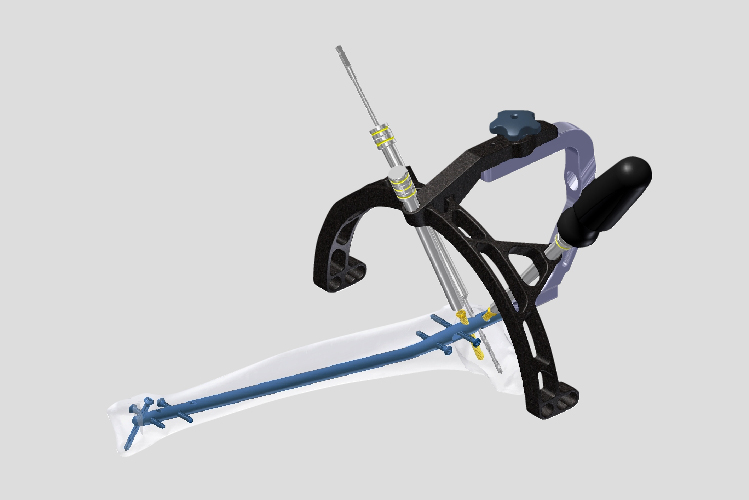
Intramedullary Nail Systems (Makalu™, Himalaya™, Bison™): Manufactured using multi-axis gun-drilling and CNC bending techniques to generate precise anatomical curvatures. Nails feature cannulated cores for reamed or unreamed insertion, equipped with dynamic and static locking options to maximize rotational stability.
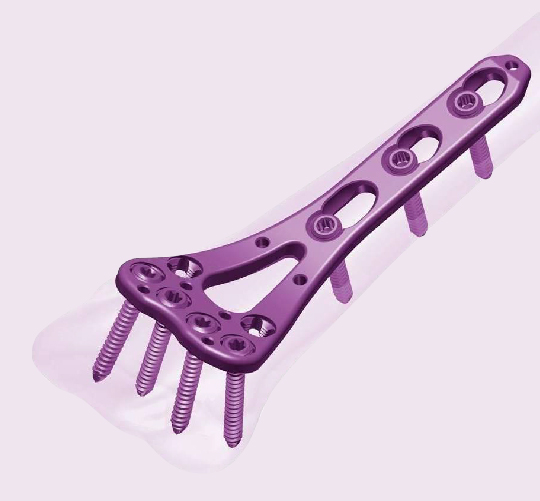
Locking Compression Plate (LCP) Systems (Amazon™, Astron™, Oviedo™): Utilizing combi-holes that combine dynamic compression unit (DCU) geometry with threaded locking holes. CNC thread milling guarantees 100% thread engagement with locking screws, preventing cold welding and screw back-out.
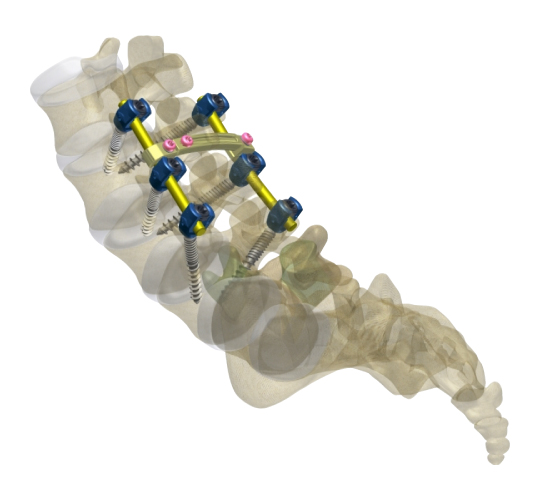
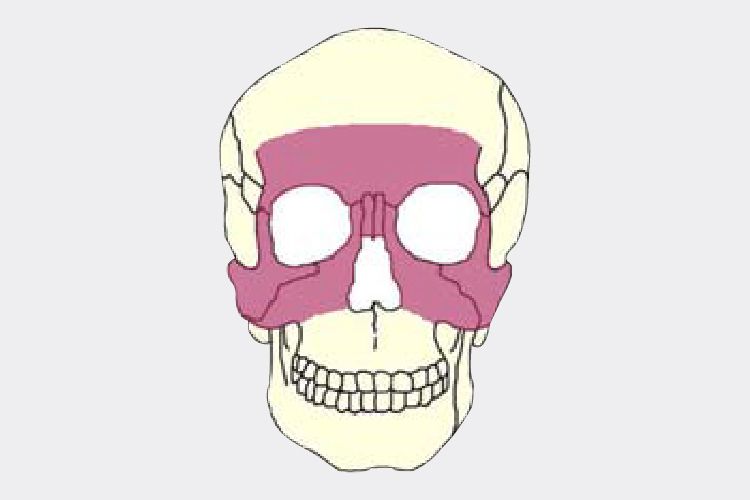
Spinal Fixation & CMF Solutions (Neptune™, Minerva™, Mantaro™): Polyaxial pedicle screws manufactured with 50-degree friction head articulation, coupled with dual-lead thread geometries for rapid insertion torque and maximum pull-out strength in osteoporotic bone.
Why Global Procurement Teams Partner with Madison Ortho
When evaluating an orthopedic implants manufacturer, institutional buyers look beyond product brochures to inspect manufacturing quality systems, regulatory track records, financial stability, and supply continuity guarantees.
Global Footprint (40+ Countries)
Madison Ortho supplies precision orthopedic devices across 5 continents, supporting hospital networks, ministries of health, and elite surgical centers in over 40 countries with reliable delivery logistics.
Multi-National Regulatory Audits
Fully certified under ISO 13485:2016 and ISO 9001:2015, with CE Mark approval, ANVISA (Brazil), COFEPRIS (Mexico), and SGS auditing clearance for seamless international market entry.
Multi-Hub Production Facilities
Operating state-of-the-art manufacturing plants in Changzhou (China), coupled with international operational hubs in Puerto Rico (HQ), USA, Dominican Republic, India, Mexico, and Venezuela.
Patient-First Engineering
Every plate, screw, and nail is developed alongside practicing orthopedic surgeons, ensuring ergonomic instrument designs, anatomical pre-contouring, and reduced operating room time.
Total Cost Transparency
Direct manufacturer pricing models eliminate unnecessary intermediary markups, providing cost reductions without compromising raw material quality or cleanroom packaging standards.
End-to-End Contract OEM/ODM
Full-scope private labeling, custom plate shaping, customized instrumentation tray design, and rapid prototyping services tailored to regional surgical preferences.
3. Future Trends in Orthopedic Implants Sourcing (2026–2035)
Global healthcare procurement is undergoing a structural shift driven by demographic aging, value-based healthcare, and rapid technological advancements. B2B purchasers must position their supply chain strategies to leverage these emerging trends:
A. Additive Manufacturing (3D-Printed Titanium & Trabecular Structures)
Selective Laser Melting (SLM) and Electron Beam Melting (EBM) technologies are revolutionizing orthopedic implants manufacturing. 3D printing enables the direct fabrication of porous, trabecular titanium surfaces that mimic the bone micro-architecture (pore sizes between 300–600 microns). This dramatically enhances early osseointegration, eliminates the need for hydroxyapatite (HA) plasma coatings, and allows the economic creation of patient-specific custom revision implants.
B. Resilient Multi-Hub Supply Chains & Nearshoring
Geopolitical uncertainties, freight delays, and concentrated single-source risks have exposed vulnerabilities in centralized medical manufacturing models. Strategic procurement directors are transitioning toward multi-hub sourcing models—partnering with manufacturers like Madison Ortho that maintain distributed engineering and inventory hubs in Asia, North America, and Latin America to guarantee uninterrupted supply continuity.
C. Smart Implants & Bio-Sensor Integration
The next decade will witness the rise of sensor-enabled orthopedic hardware. Micro-electromechanical systems (MEMS) embedded within intramedullary nails and spinal cages will transmit real-time telemetry on bone healing progress, localized strain, micro-motion shear stress, and early inflammatory biomarkers, allowing surgeons to optimize post-operative weight-bearing protocols proactively.
D. Biodegradable & Bioabsorbable Fixation Implants
In pediatric orthopedics and sports medicine, bioabsorbable magnesium-zinc-calcium alloys and modified PLLA/PCL polymers are gaining traction. These materials maintain sufficient mechanical integrity during bone union before gradually degrading into natural metabolic byproducts, eliminating the necessity for secondary hardware removal surgeries.
4. Industry Development & Manufacturing Technological Innovations
The industrial evolution of orthopedic device fabrication has transitioned from manual machining to fully automated, digitally integrated smart factories. Sourcing managers should evaluate potential manufacturing partners based on their adoption of these advanced production technologies:
- High-Precision 5-Axis Swiss CNC Turning: Allows complex bone screw thread profiles (buttress, dual-lead, self-tapping flutes) to be machined in a single setup with sub-micron repeatable precision, eliminating concentricity errors.
- Automated Type II & Type III Anodization: Surface anodization enhances titanium surface hardness, reduces friction coefficients, prevents tissue adhesion, and provides color-coded sizing identification for surgical staff.
- Laser Mark Traceability (UDI Compliance): Unique Device Identification (UDI) laser marking ensures full batch-level and item-level traceability throughout the device lifecycle, satisfying FDA Part 830 and EU MDR requirements.
- Class 8 (ISO 14644-1) Cleanroom Packaging: Automated ultrasonic washing, ultra-pure water rinsing, and particulate-free cleanroom sealing in double blister packs to ensure sterility assurance levels (SAL 10⁻⁶) post-gamma or ETO sterilization.
5. Global Orthopedic Procurement FAQ: Critical Sourcing Questions
Below are detailed solutions to the most frequent technical, regulatory, and commercial queries submitted by international procurement officers, hospital purchasing boards, and medical device distributors:
Partner with a World-Class Orthopedic Implants Manufacturer
Whether you are a hospital procurement director seeking high-quality surgical hardware, a distributor expanding your regional trauma portfolio, or a medical device brand looking for reliable OEM contract manufacturing, Madison Ortho offers certified precision, scalable capacity, and global delivery guarantees.