The orthopedic implants manufacturing industry is witnessing rapid innovation. According to a recent MarketsandMarkets report, the global orthopedic implants market is projected to reach $107.6 billion by 2026, growing at a CAGR of 4.2%. This growth reflects advancements in technology and materials.
Dr. Michael Anderson, a renowned expert in orthopedic surgery, emphasizes, “Effective manufacturing solutions are paramount for success in orthopedic implants.” At the core of this industry is the need for precision and reliability. Each implant must meet stringent regulatory standards while addressing diverse patient needs.
Manufacturers face challenges, such as adapting to new technologies and maintaining quality. As the demand for customized solutions rises, finding the right manufacturing strategy becomes critical. The right approach can improve product outcomes and enhance patient safety in orthopedic implants manufacturing. It's a dynamic field where innovation is essential, yet the journey can be complex and fraught with uncertainties.
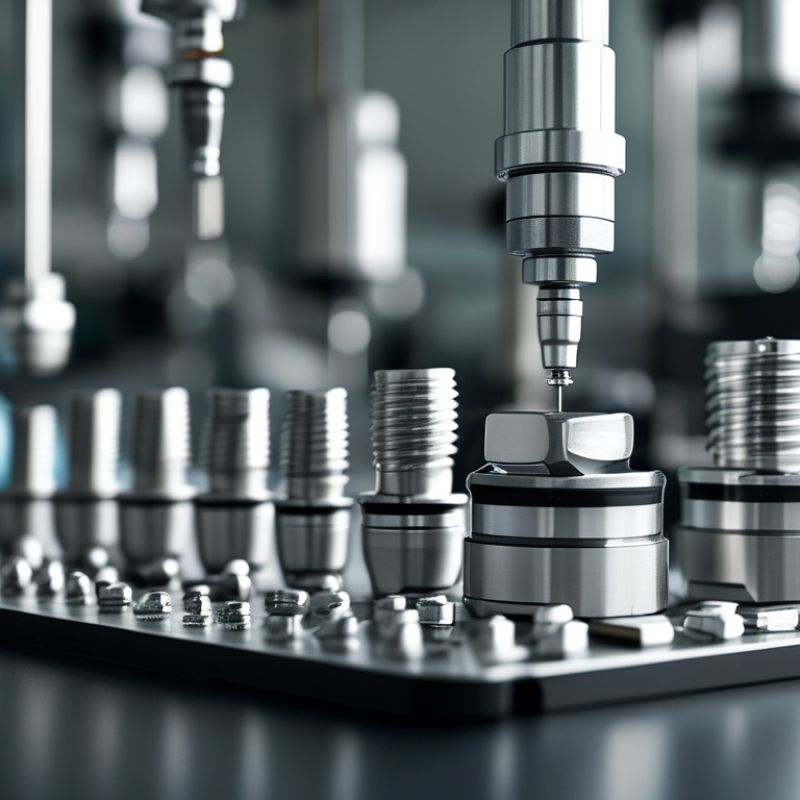
Top Trends in Orthopedic Implant Manufacturing Technology
The landscape of orthopedic implant manufacturing is evolving rapidly. Recent studies indicate that the global orthopedic implants market is projected to reach $78.4 billion by 2026, growing at a CAGR of 5.2%. This growth is driven by technological advancements. Additive manufacturing, commonly known as 3D printing, is gaining traction. Its ability to create custom implants tailored to individual patient anatomy is a significant benefit. With this technology, production times and material waste can be reduced significantly.
Another rising trend is the integration of robotics in surgical procedures. Robotic-assisted surgeries enhance precision and can lead to faster recovery times. According to the Journal of Orthopedic Research, hospitals using robotic technology report a 20% reduction in complications. However, despite the benefits, the implementation of such technologies often faces challenges. High costs and the need for specialized training can delay adoption. Therefore, while technology leads the way, the industry must address these hurdles.
Biomaterials are also crucial in improving implant performance and longevity. Innovations in biocompatible materials, like enhanced titanium alloys, are promising. They provide better integration with bone and reduce the risk of rejection. Yet, the effectiveness of these new materials must be continually assessed through clinical trials. This attention to ongoing evaluation allows manufacturers to iterate and improve, underscoring the need for a robust feedback loop in production processes.
Top 5 Orthopedic Implants Manufacturing Solutions to Consider
| Solution |
Technology |
Material Used |
Market Trend |
Application Area |
| Additive Manufacturing |
3D Printing |
Titanium, PEEK |
Customization |
Joint Replacement |
| Robotics Assistance |
Robotic Surgery |
Ceramics, Alloys |
Precision |
Spine Surgery |
| Smart Implants |
IoT Connectivity |
Bioactive Glass |
Data Monitoring |
Orthopedic Monitoring |
| Nanotechnology |
Surface Modification |
Polymers, Metals |
Enhanced Performance |
Bone Healing |
| Biodegradable Implants |
Controlled Degradation |
Polylactic Acid |
Sustainability |
Temporary Fixation |
Comparative Analysis of Materials Used in Orthopedic Implants
The choice of materials in orthopedic implants plays a crucial role in their efficacy and longevity. Titanium, known for its strength-to-weight ratio, is a popular material. A study from the Journal of Biomedical Materials Research indicates that titanium alloys exhibit exceptional biocompatibility. This is significant for long-term success rates, particularly in load-bearing applications. The projected market growth for titanium implants is expected to reach $10 billion by 2025, reflecting its increasing importance in orthopedic surgery.
Polyethylene is another commonly used material, especially in joint replacements. Its wear resistance is critical in preventing the release of particles that could lead to inflammation. Recent data suggests that high-density polyethylene reduces wear rates by up to 50%, enhancing implant lifespan. However, the recurring issue of wear particles raising concerns remains relevant. Innovations in cross-linking techniques are expected to address some of these challenges, though the need for continuous improvement is evident.
Ceramics have also gained traction, offering excellent wear resistance and compatibility. However, their brittleness can present challenges, leading to concerns during procedures. The ceramic implant market is projected to grow by 7% annually, emphasizing the demand for more reliable options. This highlights the necessity for ongoing research to achieve balanced material properties that ensure both strength and durability in orthopedic implants.
Key Factors Influencing the Selection of Manufacturing Solutions
When choosing orthopedic implants manufacturing solutions, several key factors come into play. The primary consideration is the quality of materials used. Medical-grade materials are essential for safety and durability. This is especially crucial since these implants must withstand significant stress over time. Checking for standards like ISO certification can indicate the quality commitment of the manufacturer.
Another important aspect is the manufacturer’s technology and production capabilities. Advanced technologies can enhance precision and efficiency in the manufacturing process. Additive manufacturing, for example, allows for complex designs that traditional methods cannot achieve. However, not every manufacturer uses cutting-edge technology. It's worth questioning if their machinery and methods can meet future demands.
Furthermore, support and collaboration between the manufacturer and the healthcare providers are vital. Open communication can foster innovation and align the product development with actual clinical needs. The relationship should be based on mutual respect and understanding, yet many companies still fail to prioritize this connection. Evaluating these factors carefully can lead to better decision-making in selecting the right manufacturing solution.
Regulatory Standards Impacting Orthopedic Implant Production
Regulatory standards play a crucial role in orthopedic implant production. Manufacturers must navigate complex guidelines to ensure safety and efficacy. These standards are often set by national and international organizations. Compliance is not just a formality; it is essential for market access. The FDA, for instance, lays out specific requirements that govern device approval processes. Understanding these regulations can significantly impact a company’s success.
Failure to adhere to regulations can lead to serious consequences. Product recalls can damage reputation and finances. Additionally, the development process may face delays. These hurdles highlight the importance of integrating regulatory considerations early in the design phase. Ensuring quality management systems align with standards can mitigate risks. This proactive approach provides a solid foundation for manufacturing reliability.
Continuous monitoring of regulatory updates is necessary. The landscape is ever-evolving, and staying informed is vital. Companies may need to adapt to changes in guidelines. This adds complexity to production processes. Some manufacturers may overlook the importance of compliance training for their teams. Investing in education can help create a culture of quality and accountability. Such efforts ultimately contribute to safer patient outcomes in the orthopedic field.
Market Growth Insights: Future of Orthopedic Implants and Innovations
The orthopedic implant market is witnessing rapid growth. Innovations in material science and technology are driving advancements. New alloys and biocompatible materials enhance implant performance and longevity. Surgeons now have access to custom-made implants tailored to individual patient needs. This personalization improves outcomes and reduces the risk of complications.
As the market evolves, sustainability is becoming essential. Manufacturers are exploring eco-friendly materials and processes. Many are re-evaluating waste management practices. This shift reflects a growing acknowledgment of their environmental impact. Continuous innovations, however, come with challenges. The need for rigorous testing and regulatory approvals slows down the introduction of cutting-edge solutions.
Emerging technologies, like 3D printing, show great promise. They allow for rapid prototyping and production, reducing time to market. Yet, these technologies require careful integration into existing production workflows. The balance between innovation and reliability remains a critical focus. As the industry moves forward, the commitment to quality and safety must not waver.
Top 5 Orthopedic Implants Manufacturing Solutions
This chart showcases the projected growth in the market share of various orthopedic implant manufacturing solutions over the next five years. The data highlights the expected increase in adoption of innovative materials and manufacturing technologies.
FAQS
: They ensure safety and efficacy, impacting market access significantly.
They may face product recalls, damaging their reputation and finances.
By including them early in the design phase and aligning quality management systems.
The regulatory landscape evolves, and companies must adapt to remain compliant.
It fosters a culture of quality and accountability, helping to ensure safer outcomes.
Manufacturers are exploring eco-friendly materials and improving waste management practices.
New solutions require rigorous testing and regulatory approvals, delaying their introduction.
It allows for rapid prototyping and production, reducing time to market.
They must carefully integrate emerging technologies into existing workflows.
It maintains trust and ensures positive patient outcomes despite evolving challenges.
Conclusion
The article "Top 5 Orthopedic Implants Manufacturing Solutions to Consider" explores the latest advancements and trends in Orthopedic Implants Manufacturing. It delves into the cutting-edge technologies that are reshaping the production processes, highlighting the comparative analysis of materials utilized in these implants, which is crucial for determining their effectiveness and safety. Key factors influencing the selection of manufacturing solutions are discussed, emphasizing the importance of innovation, efficiency, and cost-effectiveness in order to meet evolving market demands.
Furthermore, the article addresses regulatory standards impacting Orthopedic Implants Manufacturing, underlining the necessity for compliance to ensure product safety and efficacy. With insights into market growth and future trends, it paints a picture of an industry poised for significant innovations, driven by advancements in materials science and manufacturing technologies. This comprehensive overview serves as a valuable resource for stakeholders looking to navigate the complexities of Orthopedic Implants Manufacturing.