
Orthopedic Surgical Insights & Innovations
Exploring clinical developments, advanced implant technologies, trauma fixation solutions, and news from the global orthopedic community.
Top 5 Intramedullary Nail Systems for Global Buyers?
Table of Contents
- Top 5 Intramedullary Nail Systems: An Overview of Key Features
- Market Analysis: Intramedullary Nail Systems Adoption Rates Worldwide
- Comparative Review: Safety and Effectiveness of Leading Nail Systems
- Emerging Technology: Innovations in Intramedullary Nail Designs
- Global Market Trends: Demand and Supply Dynamics for Nail Systems
- FAQS
- Conclusion
- Related Posts
Intramedullary Nail Systems play a crucial role in orthopedic practices worldwide. They are designed to stabilize fractured bones, facilitating optimal healing. As the demand for these systems grows, buyers must consider various options available in the market.
In the competitive landscape of intramedullary nail systems, selecting the right product is not always straightforward. Factors such as material, length, and design significantly impact performance. Different manufacturers offer unique features, which can confuse buyers seeking the best fit for their needs.
Understanding the nuances of each system is essential. Each design carries specific advantages and disadvantages that may not be immediately apparent. Ultimately, making an informed decision requires expertise and reliable information. It is essential to evaluate both the benefits and potential limitations of each intramedullary nail system before committing to a choice.
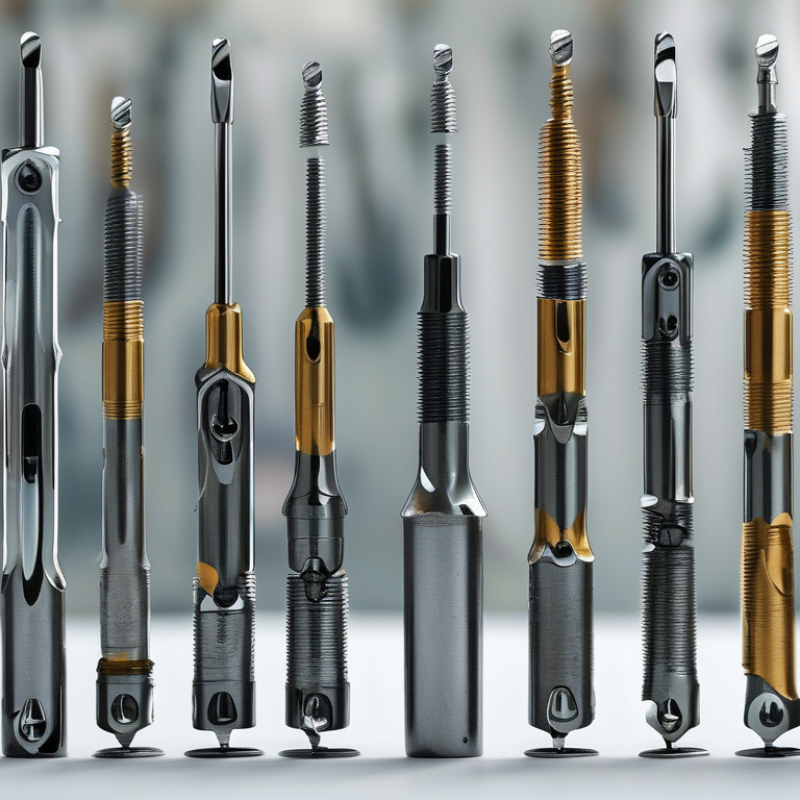
Top 5 Intramedullary Nail Systems: An Overview of Key Features
Intramedullary nail systems are crucial in treating various fractures. Many options exist, but not all are created equal. When selecting a system, consider the quality of materials. High-quality titanium or stainless steel can improve durability.
Another key feature is the design of the locking mechanism. A reliable locking system ensures that the nail remains secure during healing. Some designs offer both static and dynamic locking, providing versatility in treatment options.
Tips: Prioritize comfort for patients. A well-designed system can minimize surgical trauma. Look for user-friendly instruments that ease the insertion process for surgeons.
A final aspect to evaluate is post-operative care. Some systems allow for earlier weight-bearing activities. This can enhance recovery times significantly. It's important to continually assess the effectiveness of the system in real-world scenarios. Consider clinician feedback for improvements.
Market Analysis: Intramedullary Nail Systems Adoption Rates Worldwide
Intramedullary nails have become a popular choice for fracture fixation worldwide. Their adoption varies significantly across different regions. In North America, surgeons often favor these systems for their stability and ease of insertion. However, in some developing countries, the adoption rate remains lower. Limited access to advanced surgical tools and training contribute to these disparities.
Market analysis shows that the trends in intramedullary nail systems correlate with healthcare development. Regions with robust healthcare infrastructure see higher usage rates. Conversely, areas with resource constraints often opt for traditional methods. This gap prompts ongoing discussions regarding training and resource allocation for healthcare providers.
Healthcare professionals must reflect on these disparities. While some regions excel in adoption, others lag due to systemic challenges. Addressing these issues is paramount for global health equity. A more comprehensive approach could improve patient outcomes in diverse settings. As the market evolves, ongoing education and collaboration are crucial for fostering progress in intramedullary nail systems.
Top 5 Intramedullary Nail Systems for Global Buyers
| Region | Adoption Rate (%) | Market Share (%) | Growth Forecast (2025) |
|---|---|---|---|
| North America | 35 | 40 | 8% |
| Europe | 30 | 35 | 6% |
| Asia-Pacific | 40 | 25 | 10% |
| Latin America | 25 | 15 | 5% |
| Middle East & Africa | 20 | 5 | 4% |
Comparative Review: Safety and Effectiveness of Leading Nail Systems
In recent years, intramedullary nail systems have evolved significantly in safety and effectiveness. They are used in various orthopedic procedures, especially for long bone fractures. A comparative review indicates that certain nail systems exhibit lower complication rates. Reports show an infection risk falling below 5% with advanced materials. This suggests substantial improvements in design and usability.
Before choosing a nail system, consider the patient's specific needs. Each system has unique features that can affect healing. Some studies highlight that locking mechanisms play a critical role in stability. The choice of nail length and diameter also merits careful deliberation. These factors influence not just recovery but also the overall success of the procedure.
In practice, surgeons must evaluate the specific attributes of each system. Not all approaches yield the same outcomes. Ongoing developments in intramedullary nail technology reveal areas needing refinement. Acknowledging the imperfections within current designs can lead to innovations that ensure better patient results. Understanding these aspects can improve decision-making in clinical settings.
Emerging Technology: Innovations in Intramedullary Nail Designs
Emerging technologies in intramedullary nail designs are transforming orthopedic surgery. Innovative materials and advanced engineering are improving patient outcomes. Lightweight and biocompatible materials are now standard, enhancing comfort and stability during recovery.
Recent developments focus on modular designs, allowing for custom fittings. This flexibility addresses the unique anatomy of each patient. However, challenges remain in balancing strength and weight. Engineers must consider the trade-offs between durability and ease of use.
Additionally, some designs have integrated locking mechanisms that enhance fixation. While promising, these innovations require rigorous testing to ensure reliability. Ongoing research and development will be crucial in optimizing these systems. The aim is to provide safer, more effective solutions for fracture management that adapt to evolving medical standards.
Global Market Trends: Demand and Supply Dynamics for Nail Systems
The global market for intramedullary nail systems is evolving, driven by increasing demand for advanced orthopedic solutions. Recent industry reports indicate a projected growth rate of 8% annually through 2025. This demand is influenced by rising cases of bone fractures and the aging population worldwide. The use of nail systems is preferred due to their minimal invasiveness and effectiveness in bone stabilization.
Supply dynamics are also shifting. Manufacturers are facing challenges related to raw material costs and regulatory compliance. A 2022 survey of orthopedic surgeons highlighted concerns over the availability and reliability of certain nail systems. Economic fluctuations are adding pressure to production timelines, often leading to delays that impact healthcare providers.
Healthcare professionals should remain aware of how these market trends affect surgical options. It’s essential to prioritize trusted suppliers with a record of quality. Research local market conditions. Understanding regional demands and inventory issues can lead to more informed decisions in selecting intramedullary solutions. Remember that not all products on the market meet the highest standards. Always verify certification and performance data before purchase. Continuous education on evolving technologies can greatly enhance surgical outcomes.
FAQS
: High-quality titanium or stainless steel improves durability and overall performance of the nail systems.
A reliable locking mechanism keeps the nail secure during the healing process, affecting treatment success.
Choose intramedullary nail systems that prioritize patient comfort and have user-friendly designs for ease of insertion.
Systems that allow earlier weight-bearing can significantly enhance recovery times and improve patient outcomes.
The length and diameter influence not only recovery time but also the overall success of the procedure.
The demand for advanced orthopedic solutions is rising, largely due to increased cases of fractures and an aging population.
No, not all products meet the highest standards. Always verify certification and performance data before making a purchase.
Rising raw material costs and regulatory compliance issues can impact the availability and reliability of nail systems.
Continuous education on evolving technologies and understanding local market conditions can enhance surgical options.
Yes, ongoing developments reveal areas needing refinement. Acknowledging imperfections can lead to better patient results.
Conclusion
Intramedullary Nail Systems have become increasingly significant in orthopedic surgeries, offering surgeons a reliable solution for various types of bone fractures. This article reviews the top five systems currently available, highlighting key features such as ease of insertion, biomechanical stability, and compatibility with minimally invasive techniques. The global market analysis reveals variations in adoption rates, influenced by regional healthcare practices and technological advancements.
Moreover, a comparative review underscores the safety and effectiveness of these leading nail systems, while emerging technologies are shaping the future with innovative designs aimed at enhancing patient outcomes. Finally, a discussion on global market trends illustrates the demand and supply dynamics that are critical to understanding the evolving landscape of Intramedullary Nail Systems. As healthcare continues to innovate, these systems are poised to play a vital role in improving fracture management worldwide.

Blog Tags: