
Madison Ortho Knowledge Center

Orthopedic Surgical Insights & Innovations

Exploring clinical developments, advanced implant technologies, trauma fixation solutions, and news from the global orthopedic community.

0%

Metacarpal fractures are common, but choosing fixation is rarely routine. A clinical review by Kollitz and colleagues in Deutsches Ärzteblatt International reports that metacarpal fractures account for roughly 18–44% of hand fractures. That broad range reflects differences in populations and reporting methods, so it should not be treated as a universal estimate. Still, it shows why implant selection deserves careful attention. Small differences in fracture pattern, bone quality, and soft-tissue condition can change what a surgeon needs from a plate system.

Metacarpal Hand LCP Systems are designed to provide fixed-angle fixation options, but the label alone does not establish suitability for a particular case. A useful comparison considers plate dimensions, screw choices, contourability, instrument compatibility, and the manufacturer’s indications. AO Surgery Reference guidance also emphasizes matching fixation to fracture stability and the patient’s functional needs. Practical details matter: a low-profile plate may help where soft-tissue coverage is limited, while available screw trajectories can influence fixation in a short or fragmented segment. Not every feature is useful in every operation. That matters. This guide presents seven considerations for evaluating Metacarpal Hand LCP Systems, including evidence, fit, handling, and traceable product documentation. Clinical judgment remains essential; published guidance cannot replace case-specific assessment, and product claims should be checked against current instructions for use.
7 Tips for Choosing Metacarpal Hand LCP Systems

Understanding Metacarpal Hand LCP Systems

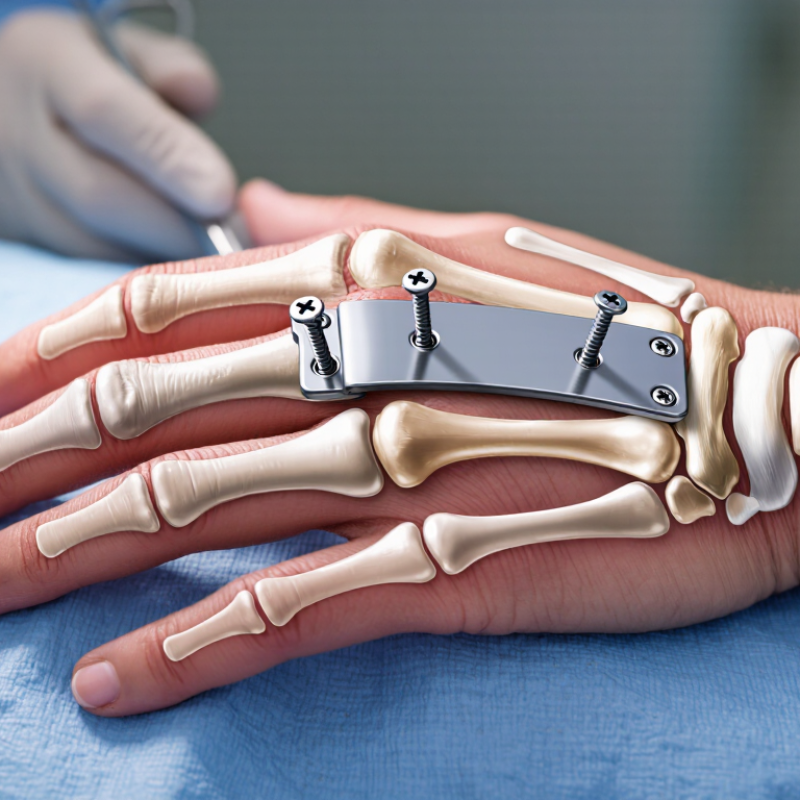
Metacarpal hand LCP systems are plates and screws designed to stabilize certain fractures in the bones of the palm. LCP means locking compression plate. In a locking construct, screw heads engage the plate, creating a fixed-angle connection. Some systems also allow conventional screws, which can help a surgeon adapt fixation to the fracture pattern. The right approach depends on the bone, injury, and surgical plan.

Metacarpals are small, but their position affects finger alignment and hand movement. A plate may be shaped or positioned to suit a particular bone, while screw length and direction must account for nearby joints and soft tissues. In practice, surgeons assess fracture location, stability, bone quality, and imaging before choosing a construct. Details matter. A prominent plate can irritate tendons or surrounding tissue, so implant position and later healing checks are important.

The terminology can sound more exact than the decision really is. Not every metacarpal fracture needs a plate, and an LCP system does not guarantee a specific outcome. A qualified hand surgeon weighs the benefits and risks for each patient, then explains alternatives, recovery expectations, and follow-up. X-rays help track alignment, but symptoms and hand function matter too. Sometimes the simplest-looking case needs careful judgment.

Assessing the Fracture Pattern and Patient Needs

Choosing a metacarpal locking compression plate (LCP) system starts with the fracture pattern, not the implant catalogue. Examine radiographs for the break’s location, angulation, shortening, and comminution. Assess rotation clinically; a finger that crosses its neighbor during flexion can signal a meaningful alignment problem. For complex or joint-involving injuries, additional imaging may help clarify the pattern. Small details matter.

A simple fracture with good bone contact may need a different construct from a comminuted fracture with limited support. Plate length, screw placement, and available fixation points should match the bone and the planned reduction. The goal is adequate stability while respecting the tendon gliding surfaces and nearby soft tissues. More hardware is not automatically better. Surgical exposure, soft-tissue condition, and the risk of irritation also deserve consideration.

Patient needs shape the decision too. Consider the injured hand’s role in work, caregiving, sport, or daily tasks, along with bone quality and relevant health conditions. Dominant-hand involvement may affect practical priorities, but it does not replace sound fracture assessment. Discuss expected motion, rehabilitation, and possible hardware prominence with the patient. A useful plan is individualized, and sometimes the first impression needs revisiting after examining the hand and reviewing the images together.

Comparing Plate Design, Size, and Material

Compare plate design by the fracture line, not appearance alone. A straight, low-profile plate may suit a simple shaft fracture, while a contoured plate can better follow the metacarpal’s natural curve. Check screw direction and spacing: crowded holes can limit fixation near a short fragment. Fit matters. A 2014 clinical review in Hand (N Y) estimates that metacarpal fractures represent 18–44% of hand fractures, a wide range reflecting varied injury patterns (Kollitz et al., “Metacarpal Fractures: Treatment and Complications”). That variation argues against choosing one plate shape for every case.

Match plate length and width to the bone, leaving enough room for secure screws without unnecessary prominence beneath thin hand tissue. Titanium is lighter and generally less stiff than stainless steel; stainless steel offers a familiar, durable alternative. Neither material removes the need to assess soft-tissue coverage and imaging compatibility. Not just strength. Review the device’s material specifications and the surgeon’s fixation plan. Published clinical reviews also describe stiffness and tendon irritation after plate fixation, so a low-profile design may help, but it cannot guarantee comfort. That judgment can be imperfect: the smallest plate is not automatically the safest choice if it provides inadequate fixation.

Matching Screw Options to Bone and Fracture

Metacarpal fractures vary in location, stability, and bone quality, so screw choice should follow the fracture—not habit. Check the plate system’s approved screw types and sizes before planning. A screw that is too long may irritate nearby soft tissue; one with inadequate purchase may not hold securely. Measure carefully.

For a simple transverse fracture, a conventional cortical screw may help draw the plate toward the bone, when the construct and surgical plan allow. Locking screws can create a fixed-angle connection, which may be useful in weaker bone or short fragments.

They do not pull the plate down to the bone. Keep that distinction clear.

In a comminuted fracture, avoid relying on screws to compress fragments that need length and alignment preserved. Screw direction matters, too: aim for safe bone purchase while avoiding the joint and neighboring structures.

Match diameter and length to the metacarpal’s narrow anatomy and the plate’s specifications. Small details count. Confirm the fracture pattern and screw paths with appropriate imaging, and follow the system’s instructions for use. A tidy preoperative plan can still need adjustment when the bone is thinner than expected. That uncertainty deserves attention, not guesswork. Final choices belong to the treating surgeon, based on the patient, the fracture, and the available fixation options.

Checking Surgical Compatibility and Follow-Up Needs

7 Tips for Choosing Metacarpal Hand LCP Systems
Checking Surgical Compatibility and Follow-Up Needs

Selecting a metacarpal hand LCP system starts with the fracture, not the tray. Match plate length and contour to the bone, fracture location, and planned surgical approach. Check screw options against bone dimensions and nearby joints; excessive length can threaten cartilage or tendons. Confirm the instruments, drill guides, and compatible screw diameters before surgery. Small details matter.

Consider follow-up before fixation. A 2014 clinical review by Kollitz et al. reports that metacarpal fractures account for roughly 18–44% of hand fractures, reflecting varied injury patterns. This range describes fracture frequency, not device performance. Plan clinical checks and imaging around reduction stability, healing, and the patient’s work demands. At follow-up, assess wound healing, finger rotation, tendon glide, stiffness, and tenderness over prominent hardware. A neat X-ray is not the whole story. Adapt imaging and therapy to clinical findings; persistent pain or reduced motion deserves reassessment.

FAQS

What should guide the choice of a metacarpal plate system?

Start with the fracture, not the implant tray. Review its location, angulation, shortening, and fragmentation. Small details matter.

How can finger rotation be assessed?

Ask the patient to bend the fingers. A finger crossing its neighbor may indicate an alignment problem that needs attention.

Does a more complex fracture always need more hardware?

No. Plate length and screw placement should provide suitable stability while respecting tendons and nearby soft tissues. More is not automatically better.

How should screw type relate to the fracture?

Conventional screws may draw a plate toward bone when the plan allows. Locking screws provide a fixed-angle connection, but do not pull the plate down.

Why do screw length and direction matter?

Metacarpals have narrow anatomy. Excessive length may irritate tendons or threaten a joint. Measure twice.

What should be checked before surgery?

Confirm plate fit, screw sizes, drill guides, and compatible instruments. Imaging can help assess the fracture and planned screw paths.

How can a patient’s daily needs affect planning?

Consider work, caregiving, sport, and which hand is dominant. Discuss expected motion, rehabilitation, and possible hardware prominence.

What should follow-up visits assess?

Check healing, finger rotation, tendon glide, stiffness, tenderness, and movement. A neat X-ray is not the whole story.

Should the original plan ever be reconsidered?

Yes. Bone may be thinner than expected, and clinical findings can change the plan. Even careful preparation has limits.

Conclusion

Choosing Metacarpal Hand LCP Systems starts with understanding how these plates support fracture fixation and how their design relates to the anatomy of the hand. The fracture pattern, bone quality, injury location, and the patient’s functional needs all help guide selection. A careful assessment can clarify whether the system’s plate shape and available sizes are appropriate for the treatment plan.

Compare plate dimensions, material, and contour, then consider screw types, lengths, and locking options in relation to the bone and fracture. Also confirm that the components are compatible with the planned surgical technique and available instruments. Finally, account for follow-up needs, including imaging, healing assessment, and any rehabilitation considerations. These factors provide a practical framework for evaluating a system and supporting an individualized clinical decision.

Olivia

Olivia

Olivia is a dedicated marketing professional with a deep expertise in the company's product offerings. Her passion for innovative solutions and market trends allows her to craft compelling narratives that resonate with customers and stakeholders alike. Olivia regularly updates the company's......