
Madison Ortho Knowledge Center

Orthopedic Surgical Insights & Innovations

Exploring clinical developments, advanced implant technologies, trauma fixation solutions, and news from the global orthopedic community.

0%

Choosing Pediatric Locking Compression Plates requires more than matching a plate to an X-ray. A child’s bone is smaller, still developing, and shaped by growth plates that must be considered during fixation. The fracture pattern matters too: a short metaphyseal segment, narrow shaft, or limited screw corridor can change which construct is practical. Small details matter.

The evidence helps frame the decision, but it does not choose the implant for the surgeon. In a population analysis of 8,682 childhood fractures, Landin described age- and sex-related differences in fracture patterns (Acta Orthopaedica Scandinavica Supplementum, 1983). That historical study is not a comparison of modern plates. It does, however, underline why pediatric anatomy and age belong in treatment planning. AO Foundation surgical guidance likewise emphasizes fracture-specific fixation and careful consideration of nearby growth plates.

A sound selection process weighs plate length and contour, screw size and direction, bone quality, fracture stability, and remaining growth. It also considers whether the implant can be positioned without unnecessarily crowding the physis. There is no single plate for every child. That deserves caution. This guide will examine the clinical and technical factors behind choosing Pediatric Locking Compression Plates, including where locking technology may help and where its limits should prompt reflection. Decisions should follow the child’s imaging, clinical assessment, and the treating orthopedic team’s judgment—not a product label alone.
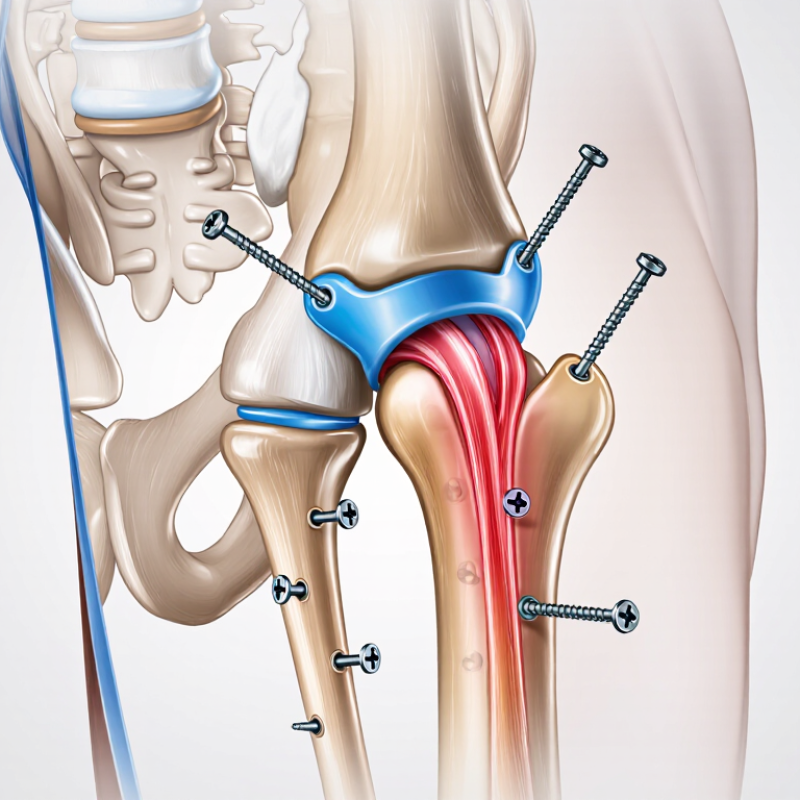
How to Choose the Right Pediatric Locking Compression Plates

Assess the Child’s Fracture, Age, and Growth Considerations

Choosing a pediatric locking compression plate starts with the fracture, not the implant. Is it near a joint, through the shaft, or close to an open growth plate? A displaced, unstable fracture may need different fixation from a simple, well-aligned break. The surgeon also considers bone size, fracture pattern, soft-tissue condition, and whether screws can gain secure purchase without crossing the physis. Growth matters.

Age alone is an imperfect guide. Two children of the same age may have different growth remaining, so skeletal maturity and the location of the growth plates deserve attention.

A population-based U.S. study by Cooper and colleagues, published in the Journal of Bone and Mineral Research in 2004, estimated that 42% of boys and 27% of girls experienced a fracture before age 17. That population estimate is not a forecast for an individual child.

Details matter. For a child with substantial growth remaining, plate position and screw direction should be planned to limit physeal injury and later growth disturbance. Locking screws can help stabilize selected fractures, especially when bone fragments are small or fixation is challenging, but they are not automatically the best option. The choice should balance stability with the child’s growth potential, fracture healing, and the practical need for follow-up imaging.

Understand Pediatric Locking Compression Plate Design

Pediatric locking compression plates are not simply smaller versions of adult plates. Their width, thickness, contour, and screw spacing must suit a child’s smaller bones. A low-profile plate may reduce prominence beneath soft tissue, but it still needs enough strength for the intended fracture fixation. Fit matters. Threaded plate holes engage locking screws, creating a fixed-angle connection that can help maintain alignment. This does not guarantee healing; bone quality, fracture pattern, and surgical technique also matter.

Design details deserve close attention. Screw length and direction should be appropriate for the bone, with care around nearby joints and growth plates. In a growing child, a plate’s position and the plan for follow-up may affect later decisions about removal. Surgeons compare the plate’s shape with imaging and the child’s anatomy rather than relying on size labels alone. A plate that looks slim in a catalog may still feel prominent over a small bone. Small details count. No single design suits every fracture, and the best fit is not always obvious before surgery.

Match Plate Size and Shape to the Bone and Fracture Pattern

A plate should follow the bone, not force the bone to follow the plate. Pediatric bones are narrower, more curved, and still growing. Match plate width and contour to the specific bone and the child’s size. A plate that overhangs a small shaft can irritate soft tissue; one that is too short may not provide enough fixation beyond the fracture. Check the planned screw paths against the fracture line and nearby growth plate on imaging.

The need for careful fit is common in pediatric trauma. A British population study reported that fractures occurred by age 16 in 27% of girls and 42% of boys (Cooper et al., Journal of Bone and Mineral Research, 2004). For a simple transverse fracture, a plate can span the break with secure fixation on both sides. A long, contoured plate may better bridge a comminuted pattern, while preserving room for appropriate screw placement. Keep the physis clear when possible. Small details matter.

Locking screws can help maintain fixation in small bone segments, but they do not correct a mismatched plate. Compare the plate’s curvature with the child’s actual anatomy, and confirm screw length and direction in more than one view. AO Surgery Reference emphasizes adapting fixation to fracture pattern and patient anatomy. There is no perfect template. Growth remaining, bone quality, and the exact fracture location can change the choice; an ideal plate on a diagram may fit poorly in the operating room.

Evaluate Screw Placement, Stability, and Growth Plate Safety

Choosing a pediatric locking compression plate means planning each screw around both the fracture and the child’s remaining growth. Review imaging in more than one view, and identify the growth plate before selecting screw paths. A screw that looks clear on one image may approach the physis from another angle. Small details matter. Confirm screw length and trajectory during surgery, using appropriate imaging and clinical judgment.

Tips: Check the planned screw path against the physis and nearby joints. Reassess alignment and stability after fixation, not just the plate position.

Locking screws can create a stable construct, but more fixation is not automatically better. The number and placement of screws should reflect the fracture pattern, bone size, and expected forces. Pediatric anatomy changes with age, so familiar adult measurements may not apply. A plan can look tidy on paper and still need adjustment in the operating room. That deserves honest reflection: growth plate safety and fracture stability must be weighed together by the treating orthopedic team.

Compare Material, Compatibility, and Surgical Requirements

Material choice affects handling, imaging, and the child’s future care. Stainless steel is strong and familiar in many surgical settings. Titanium is lighter and may create less imaging artifact, though results depend on the specific implant and scan. Neither material is automatically better. The surgeon weighs fracture pattern, bone size, and the child’s medical needs.

Fit matters. A plate must match the bone’s shape and allow screws to hold securely without entering a growth plate. Pediatric anatomy changes with age, so plate length and screw direction deserve careful review on imaging. Locking screws can provide fixed-angle support, but they do not replace proper positioning or sound fixation. Growth changes things.

Compatibility goes beyond the plate itself. Confirm that screws, instruments, and the planned surgical technique are designed to work together. Consider incision size, available bone for screw placement, and whether the plate can be contoured safely. The care team may also discuss whether later removal is appropriate; it is not automatic, and timing varies. Small details matter, and a chosen plate may still prove less convenient than expected once the fracture is exposed. A pediatric orthopedic surgeon should make the final choice using the child’s imaging and clinical findings.

FAQS

What should guide the choice of a pediatric locking plate?

The fracture pattern, bone size, soft-tissue condition, and growth plates all matter. The implant should fit the child, not just the fracture.

Does a child’s age show how much growth remains?

Not reliably. Children of the same age may have different skeletal maturity. Growth matters.

Why is the growth plate important during fixation?

Screws crossing an open growth plate may affect future growth. The surgeon considers plate position and screw direction using the child’s imaging.

Are locking screws always the best option?

No. They can provide fixed-angle support in selected fractures, but they do not replace careful positioning or secure fixation.

How do stainless steel and titanium differ?

Stainless steel is strong and familiar in many surgical settings. Titanium is lighter and may create less imaging artifact, depending on the implant and scan.

What does a proper plate fit involve?

The plate should match the bone’s shape and allow secure screw placement. A small plate may still be awkward once the fracture is exposed.

What parts must work with the plate?

Screws, instruments, and the surgical technique should be compatible. Incision size and available bone for screw placement also deserve review.

Will the plate need to be removed later?

Not always. The care team may discuss removal, but its timing depends on the child and clinical findings.

Who makes the final implant choice?

A pediatric orthopedic surgeon considers imaging, fracture details, and growth potential. Age alone can make the decision seem simpler than it is.

Conclusion

Choosing the right Pediatric Locking Compression Plates begins with a careful assessment of the child’s fracture, age, bone size, and remaining growth. The fracture’s location and pattern help determine the level of support needed, while a child’s growth stage is essential when planning fixation. Plate dimensions and contour should suit the bone and allow the surgeon to address the fracture without unnecessary interference with nearby growth plates.

Design features, screw positioning, and overall stability should be considered together. The selected plate must allow appropriate screw placement for the fracture while supporting secure fixation and protecting growth areas. Material compatibility and the requirements of the surgical approach also matter, including whether the plate can be shaped as needed and used with suitable instruments. Ultimately, selection should be individualized by the treating orthopedic team, balancing fracture stability, the child’s anatomy, and future growth considerations.

Olivia

Olivia

Olivia is a dedicated marketing professional with a deep expertise in the company's product offerings. Her passion for innovative solutions and market trends allows her to craft compelling narratives that resonate with customers and stakeholders alike. Olivia regularly updates the company's......